
Last updated November 16, 2026
 AC repair
 Furnace & heating
 Heat pumps
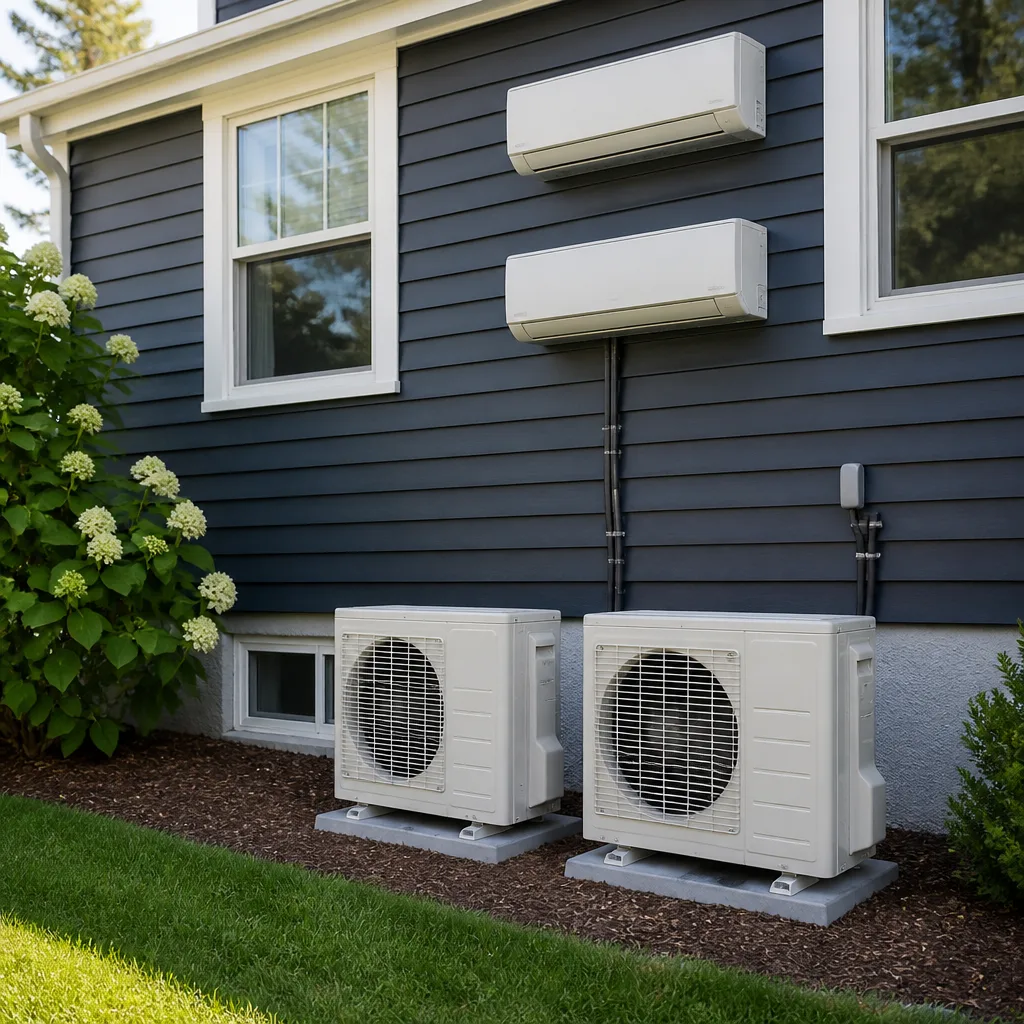 Ductless mini splits
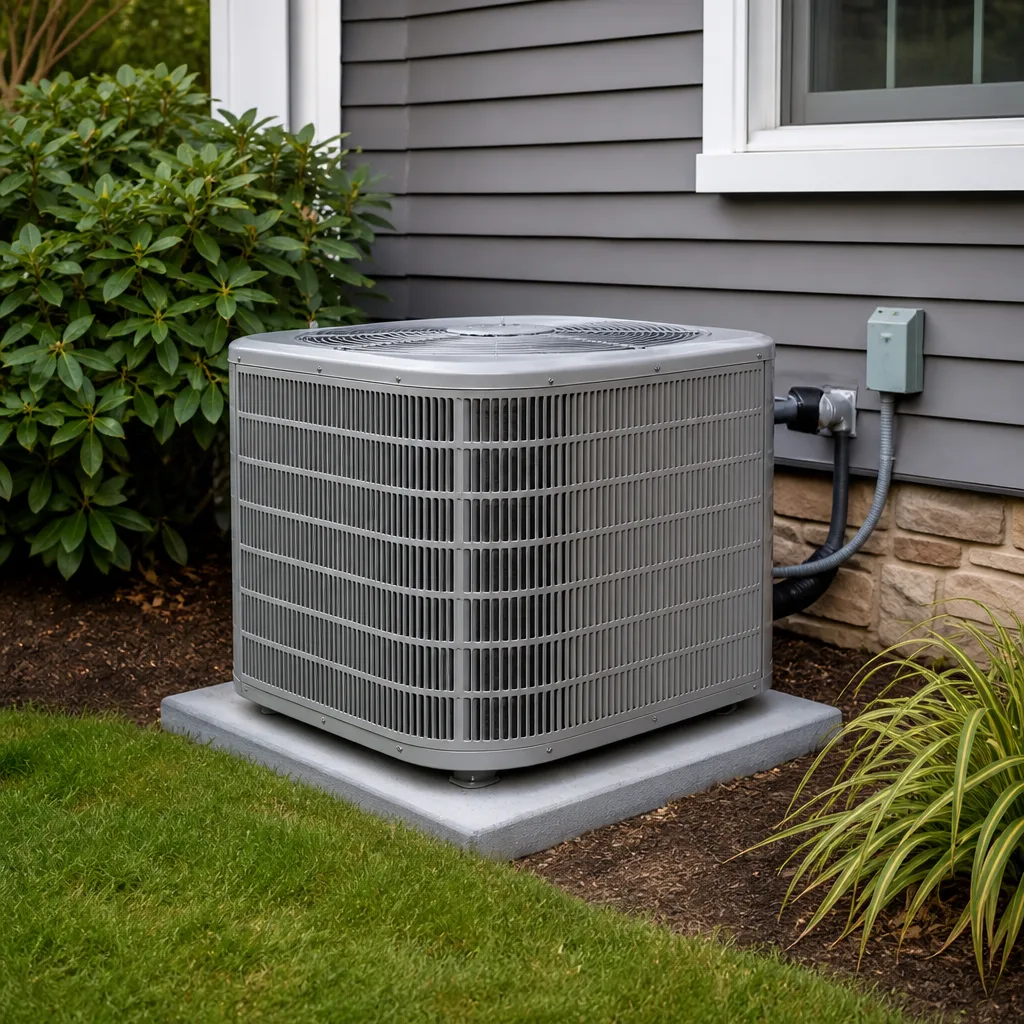 Carrier
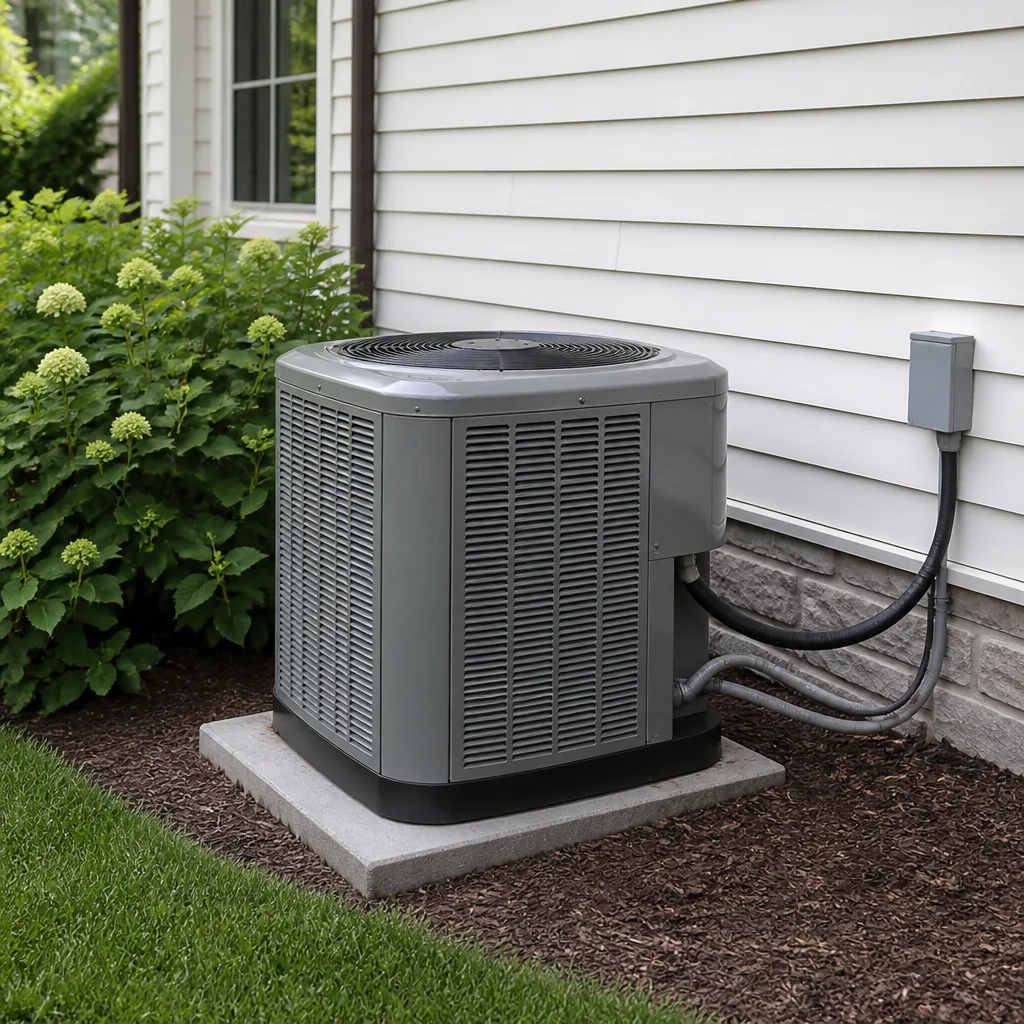 Trane
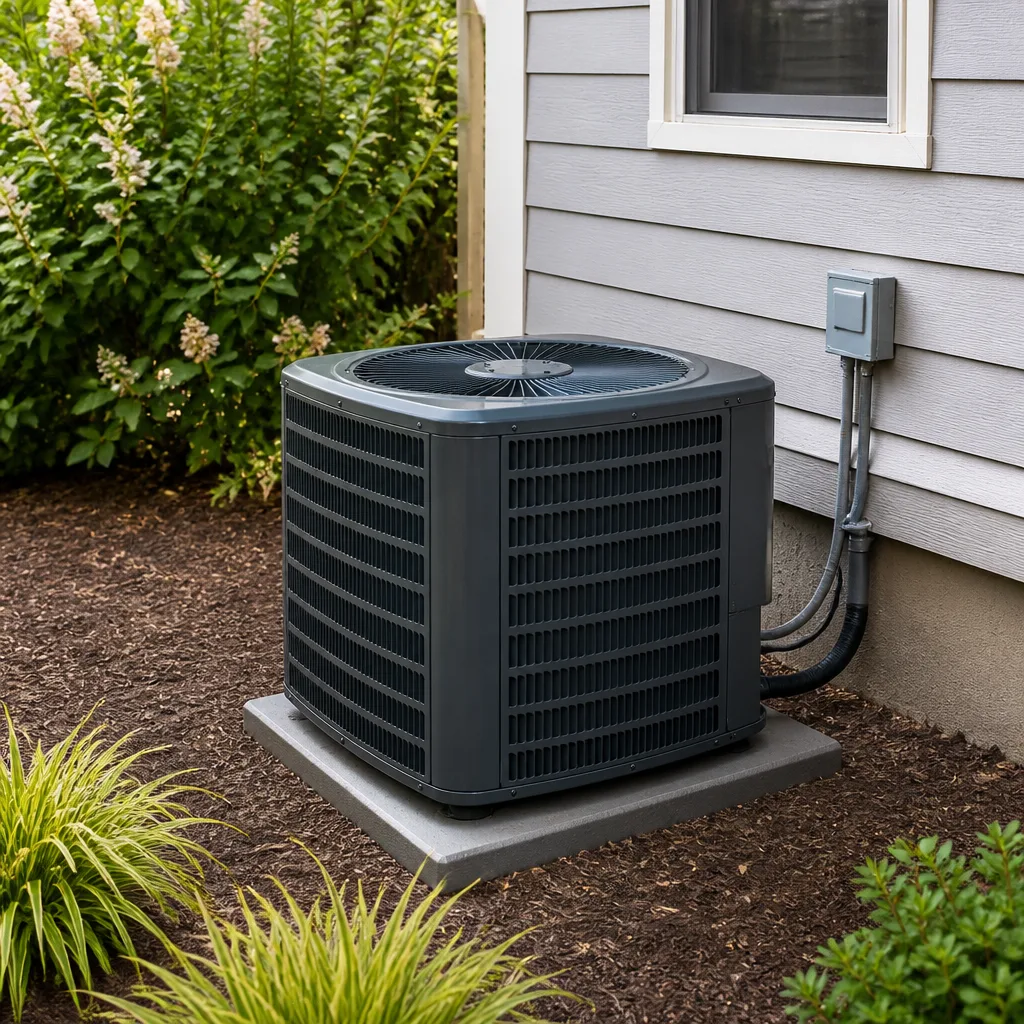 Goodman
Seasonal tune-up and full diagnostic on your Carrier, Trane, or Goodman system - readings shown to you before any repair is proposed
Diagnosis first, numbers second - you approve the repair price before a single part goes in.
Get your free estimateDIY vs Professional HVAC: The Tallahassee Homeowner’s Decision Guide
Most homeowners assume the DIY-or-pro question comes down to confidence. It doesn’t. It comes down to three things: whether the task is legal for you to perform, whether you can do it safely, and whether it’s genuinely cheaper once you count the tools, the hours, and the risk of getting it wrong. Here in Tallahassee, that third factor matters more than it does in most places. Nine months of heat and heavy humidity means a small mistake in a cooling system doesn’t sit quietly until spring; it shows up as water on the ceiling or a compressor that never recovers. This guide draws the line task by task, so you know exactly which jobs belong in your Saturday and which ones belong to a technician.
Quick Answer
The clear legal DIY jobs are filter changes, outdoor unit rinsing, condensate drain checks, and thermostat batteries. Everything involving refrigerant, sealed electrical components, gas piping, or the compressor requires an EPA-certified and licensed professional in Florida. Between those two poles sits a middle zone of tasks like coil cleaning that are technically legal but easy to get wrong, and in Tallahassee’s humidity a botched condensate line is one of the most common causes of ceiling and cabinet damage we see.
Styles & brands we work with
- AC repair
- Furnace & heating
- Heat pumps
- Ductless mini splits
- Carrier
- Trane
- Goodman
Table of Contents
- Where the legal line actually falls in Florida
- A task-by-task DIY matrix
- What tools legitimate DIY maintenance really costs
- The condensate problem: why Tallahassee humidity changes the math
- Refrigerant, EPA 608, and why the forums get this wrong
- Can you help a friend? What Florida’s statute says
- How brand-agnostic service changes the DIY calculus
- When the honest answer is “repair” and when it’s “replace”
Where the legal line actually falls in Florida
Florida law separates HVAC work into two categories: work you do on your own home, and work performed “for compensation.” The distinction is the entire game. If you climb on your own roof to rinse your condenser coil, you’re outside the rules. If you do the same job for a neighbor and accept twenty dollars for it, you are performing contracting work without a license, and the exposure isn’t theoretical.
Florida Statute Chapter 489, Part I, governs contracting in this state. Under that framework, a person who performs air-conditioning work for compensation must hold a state license (or a local specialty license where applicable). The statute does not care that your help was friendly, that the money was small, or that your neighbor asked. It cares whether compensation changed hands. In practice, this means the “helping a friend” loophole in DIY forums is not a loophole at all.
What belongs to you, unambiguously, is maintenance on your own equipment. Filters, drain lines, coils you can reach, the outdoor pad, the thermostat, and general observation of how the system behaves. That list is not short. A homeowner who stays on top of those five basics will spend less than one who defers everything to a contractor and treats the equipment as a black box.
What does not belong to you is anything that touches the sealed refrigerant circuit. That’s the next section.
A task-by-task DIY matrix
Here’s the breakdown we wish every Tallahassee homeowner had before they typed “how to fix AC” into a search bar. Three tiers: safe for you, legal but easy to botch, and hands-off.
Safe, legal DIY
- Filter changes. Once every 30 to 90 days depending on household dust and pets. Use the same size and MERV rating the system specifies.
- Outdoor unit rinse. Garden hose on low pressure, power off, coil fins only. No pressure washer.
- Condensate drain flush. A cup of distilled white vinegar down the primary drain port every couple of months.
- Thermostat battery replacement and schedule checks. A dead battery reads as a broken system; it usually isn’t.
- Yard clearance around the condenser. Two feet of breathing room minimum. Tallahassee’s growing season can close that gap in a month.
Legal but easy to get wrong
- Interior coil cleaning. Doable on some systems, but the coil is fragile aluminum and easy to bend. A wet-dry vacuum with a soft brush is not a substitute for the right technique.
- Cleaning the drain pan and trap. Straightforward until you crack the pan or miss the trap orientation on reassembly.
- Replacing a thermostat. Legal in Florida for a low-voltage thermostat. One wrong wire crossing and you’re into a control board repair that costs more than the thermostat.
- Clearing a clogged drain line from the outdoor end. A shop vac on the exterior termination can pull algae out. Push a rod the wrong way and you can dislodge the line inside a wall.
Hands-off: call a licensed professional
- Any refrigerant work. Topping off, recovering, charging, leak detection. Federal law requires an EPA Section 608 certification.
- Compressor replacement or diagnosis.
- Electrical work inside the air handler or condenser cabinet.
- Gas piping to a furnace or any gas-side repair.
- Full system replacement. This involves sizing (Manual J load calculation in most cases), refrigerant line sizing, and permits.
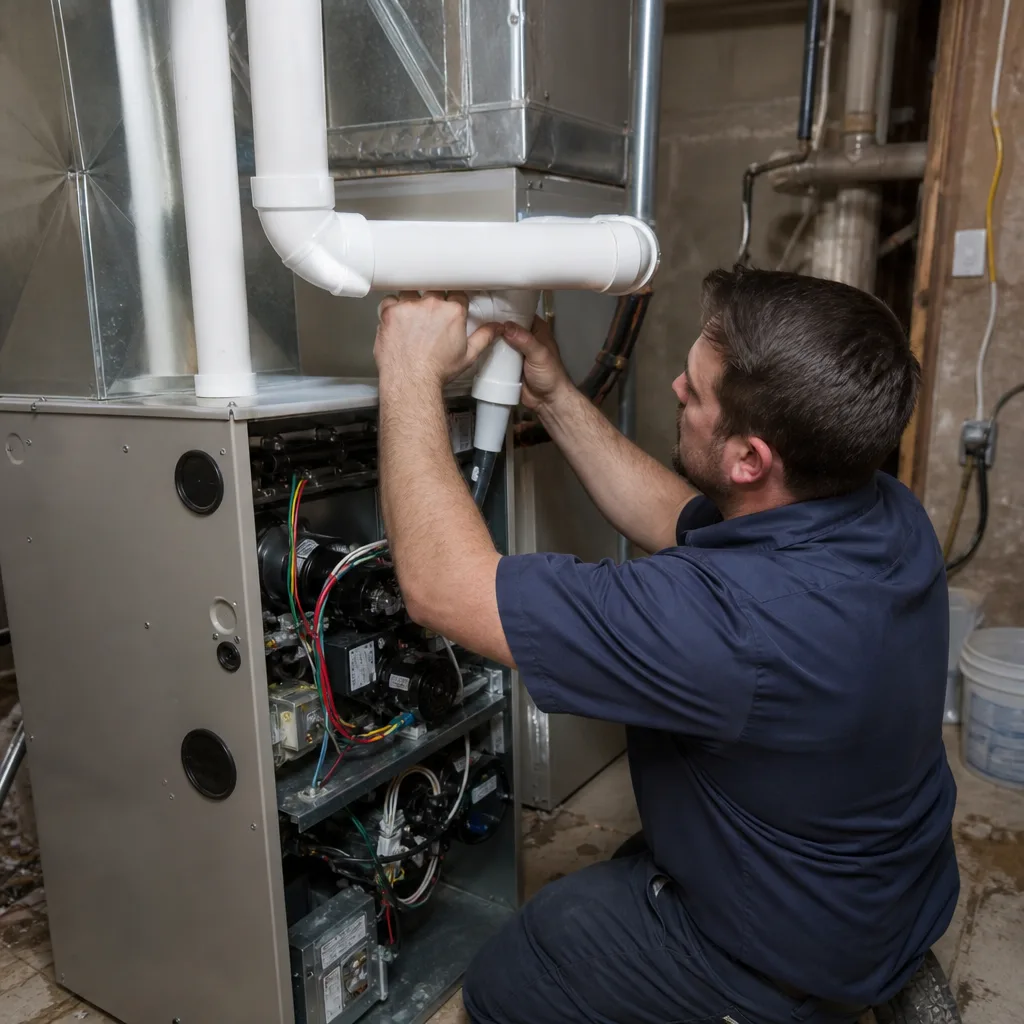
If you’re uncertain which tier a job falls into, the safest call is to furnace repair context apply equally to cooling: if the task involves the sealed system or the electrical cabinet, it’s not yours.
What tools legitimate DIY maintenance really costs
A well-equipped DIY homeowner spends between roughly $80 and $200 on the tools to do safe maintenance properly. That’s the honest number, and it’s worth seeing against what a professional service call runs.
- Filter. $8-$25 depending on size. Reusable pleated filters run higher.
- Fin comb. Around $10. Straightens bent condenser fins without tearing them.
- Soft-bristle condenser brush. Around $15.
- Wet-dry vacuum. $60-$120. Most households already own one.
- Garden hose with a spray nozzle. Already in most garages.
- Coil cleaner (no-rinse, outdoor-safe). $15-$30 per spray bottle.
- Distilled white vinegar. Under $3. The cheapest tool on this list does the most regular work.
- Thermostat batteries. Around $5.
Compare that against a professional diagnostic and tune-up visit, which typically runs $150 to $300 in the Tallahassee market depending on what’s checked and whether refrigerant top-off is involved. Some of the DIFM work overlaps – the technician does everything in the list above – but the technician also brings a manifold gauge set, a refrigerant scale, an EPA certification, and the ability to catch the leak that’s been quietly draining your system. The honest framing is that your $80-$200 tool kit handles maintenance; the technician covers maintenance plus diagnosis, which is a different product.
The middle path is the smart one. Do your own filter changes and hose-downs between annual service visits. Let the professional handle the rest. That’s not laziness. It’s knowing which tier pays you back and which one doesn’t.
The condensate problem: why Tallahassee humidity changes the math
Tallahassee runs humid. A cooling system here pulls a lot of water out of the air every single day of summer, and that water has to go somewhere. The primary condensate line – usually PVC – carries it outdoors or to a floor drain. The secondary line, when it exists, is a backup. When the primary clogs, the secondary catches it; when both clog, water lands wherever gravity takes it.
We’ve seen the results more times than we’d like. Ceiling drywall sagging above an air handler closets. Hardwood floors that cup and warp. Baseboards with a permanent stain line. In our experience, the biggest version of this damage in Tallahassee runs into the low thousands of dollars for ceiling and paint replacement alone, well before any HVAC repair invoice.
The aggravating factor is biological. Algae grows in standing condensate in warm, humid conditions, and Tallahassee’s climate is more or less a greenhouse for it. A drain line that flows freely in February can be a slime-clogged mess by July. That’s why the vinegar flush is the single most valuable five minutes you can spend on your system here.
What do we mean by “gone wrong” in DIY cleaning? Three failure modes we see:
- The homeowner caps the drain port with a threaded plug on reassembly, sealing the line, and the condensate backs into the cabinet over the next week.
- The homeowner uses a metal coat hanger or a stiff wire brush inside the drain pan and punches a hole through the plastic pan walls.
- The homeowner uses a pressure washer on the interior A-coil assuming it’s built like the outdoor coil, bends the fins flat, and blocks airflow across half the coil.
The interior coil is a $400-$900 part by itself. The condensate pan is often $150-$350. Cleared properly, both cost nothing to maintain.
Refrigerant, EPA 608, and why the forums get this wrong
You can purchase refrigerant online in Florida. You cannot legally purchase it without an EPA Section 608 certification, and the sellers who look the other way are not the ones who get fined. The homeowner is.
Section 608 of the Clean Air Act is a federal rule. It prohibits the sale of refrigerant to anyone without the appropriate certification, and it prohibits “knowingly” venting refrigerant to atmosphere. The penalty structure for violations includes fines running into tens of thousands of dollars per violation. We’re not going to quote a specific figure here; the point is the amount is far larger than any service call.
The practical second problem: charging a system correctly requires a manifold gauge set, a scale accurate to the ounce, and knowledge of the specific system’s superheat or subcool target. Adding refrigerant “until the gauge reads the right number” is how homeowners overshoot by a pound and then pay for a compressor that ran hot. A Trane or Lennox system designed for a specific charge doesn’t tolerate guesswork, and a Goodman or Rheem value-tier unit doesn’t either – the principles are the same across every brand.
If you suspect low refrigerant, the correct move is a professional leak search, not a top-off. A properly sealed system does not consume refrigerant over time. If it’s low, there’s a leak, and the refrigerant didn’t go away on its own. Refrigerant work is also one of the most common reasons a homeowner ends up calling Ridgeway AC Repair after a DIY attempt. It’s not that we mind cleaning up after the attempt. It’s that the attempt often shortens the life of the system.
Can you help a friend? What Florida’s statute says
This is the question we get most often at community events in the Tallahassee area, so let’s answer it plainly. Under Florida Statute Chapter 489, the phrase that matters is “for compensation.” Compensation doesn’t have to be cash. A case of beer, a nice dinner, a favor owed – the law looks at whether consideration changed hands, not its dollar value. A licensed contractor carries insurance, a state license number, and liability for the work; a helpful neighbor carries none of that.
If you help a friend swap a furnace ignitor as a favor with no exchange of value, you’re probably outside the statutory concern. If you do it for money, you’re not. If the swap goes wrong and there’s a gas leak or a fire, the friend’s homeowner’s policy will investigate who did the work. That’s the moment the “it was just a favor” defense needs to be more than a feeling.
Our recommendation: help your friend by showing them how to change the filter and flush the drain. Show them the thermostat app. Those are the safe favors. Anything involving the gas train, the sealed system, or the electrical panel is not a favor. It’s a resume item for someone with credentials.
If you live in one of Tallahassee’s older neighborhoods where housing stock is mixed – Betton Hills, Myers Park, Lafayette Park – and the neighbor’s system is a 1990s install with a gas furnace attached, the gas-side work in particular is not a shared task. That’s a licensed mechanical contractor’s job, every time.
How brand-agnostic service changes the DIY calculus
Here’s something the DIY-or-pro debate rarely mentions: the availability of a trusted technician changes what “DIY” even means. If you know with certainty that you can call one number and get a straight assessment of a Carrier, Trane, Lennox, Goodman, Rheem, York, Daikin, Bryant, or American Standard system, you can afford to be conservative about what you touch and generous about what you delegate.
Why does that matter financially? Three reasons:
- Repair-versus-replace questions get answered by someone with no brand incentive. A dealership that only sells one brand has a preferred answer for every aging system. A brand-agnostic shop doesn’t.
- Replacement decisions get grounded in what actually fits the home. Nineteen-hundred square feet in Killearn is a different load calculation than fifteen hundred in Southwood, and the correct system is not the largest one on spec.
- Small diagnostic visits stay small. When the technician knows your model family, the diagnosis is faster, and speed saves money.
Brand-agnostic service also unlocks the cooling-and-heating combo. A heating-side issue on a gas furnace is a different trade from a cooling-side issue on the condenser, and if those live with two different companies, you’re managing the handoff. One company covering both means the technician who sees your AC in July also sees your furnace in December. That’s the “one call, both seasons” logic, and it isn’t a slogan.
At Ridgeway AC Repair, we work on the system you already own – not just the brand we sell – and our technicians have up to experience across the major manufacturers. That practical breadth is the whole point of the model. When the answer to “can I DIY this?” is genuinely no, we’d rather you call for a AC installation conversation you can actually trust than for the homeowner to test their competence on a sealed system and lose.
When the honest answer is “repair” and when it’s “replace”
The single hardest call in HVAC is deciding whether to sink money into a repair or a full replacement. The DIY version of that call is usually defaulting to the cheapest repair because the homeowner can’t fully see what the alternative costs. The professional version is a load calculation, a condition assessment, and a written comparison.
In our experience, three signals point toward replacement rather than repair:
- The system has been repaired for the same failure more than once in the past two seasons.
- The refrigerant circuit is leaking and the leak isn’t findable, meaning the system loses charge repeatedly.
- The compressor has failed on a system that’s already on its second or third decade of service.
When replacement is the right answer, it’s a scheduled job, not a same-day one. A proper replacement starts with a load calculation, includes refrigerant line and electrical considerations, and is priced per job by a written estimate. We don’t quote install work off a phone call for exactly that reason, and the written estimate is what sets the final price.
If you’re in Tallahassee and want a straight read on repair versus replace, that’s a Tallahassee conversation we’re set up to have. Free estimate, no pressure, and if repair is the right call, we’ll say so.
Common Mistakes to Avoid
- Topping off refrigerant without finding the leak. A properly sealed system doesn’t consume refrigerant. If it’s low, there’s a leak, and topping it off just defers the diagnosis. It also happens to be illegal without EPA Section 608 certification, which is a federal matter and not a warranty issue.
- Pressure-washing the condenser coil. Tallahassee’s pollen season layers the outdoor coil, and a pressure washer seems like the obvious answer. It isn’t. High pressure flattens the fins, destroys the coil’s ability to reject heat, and quietly raises your electric bill all summer.
- Skipping the condensate drain flush. In our climate, an unflushed drain line is the leading cause of ceiling and floor damage we see. Five minutes with vinegar every couple of months prevents most of it.
- Running the system with a clogged filter to “see if it clears up.” A clogged filter starves the coil of airflow. Starved coils ice over, and iced coils can flood the pan on the thaw. The filter is $10; the damage isn’t.
- Buying a thermostat because the old one “failed.” Half the thermostat no-cool calls we see in Tallahassee are low batteries or a tripped float switch, not a dead thermostat. Rule out the cheap causes first.
- Accepting paid “help” from an unlicensed friend. Florida Statute Chapter 489 treats compensation – cash, barter, or favor owed – as the trigger for licensing. The liability falls on the person doing the work, and on the homeowner who hired them.
- Replacing an entire system to solve a single failed part. A capacitor, a contactor, or a float switch failure is not a reason to replace a system. Replacement is for aging equipment with a repeated repair history or a dead compressor.
See the difference
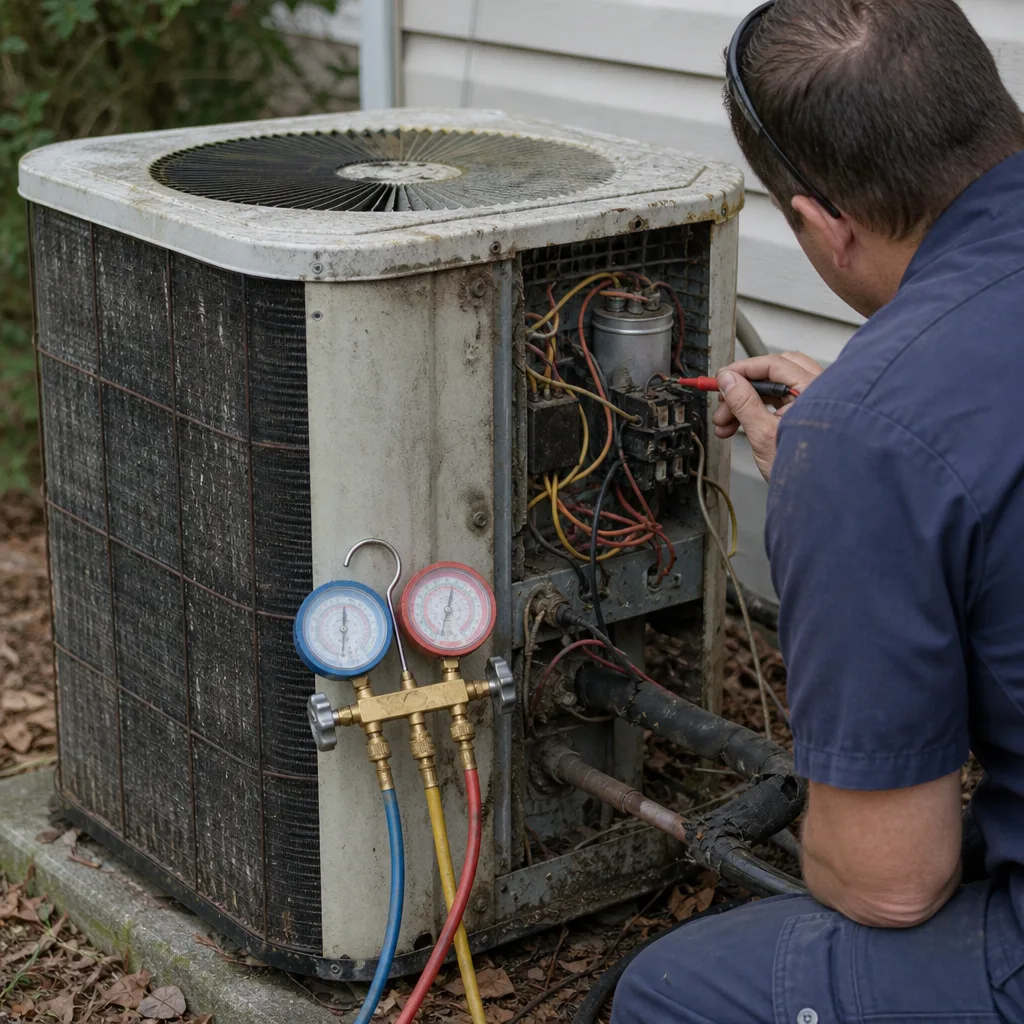 Before
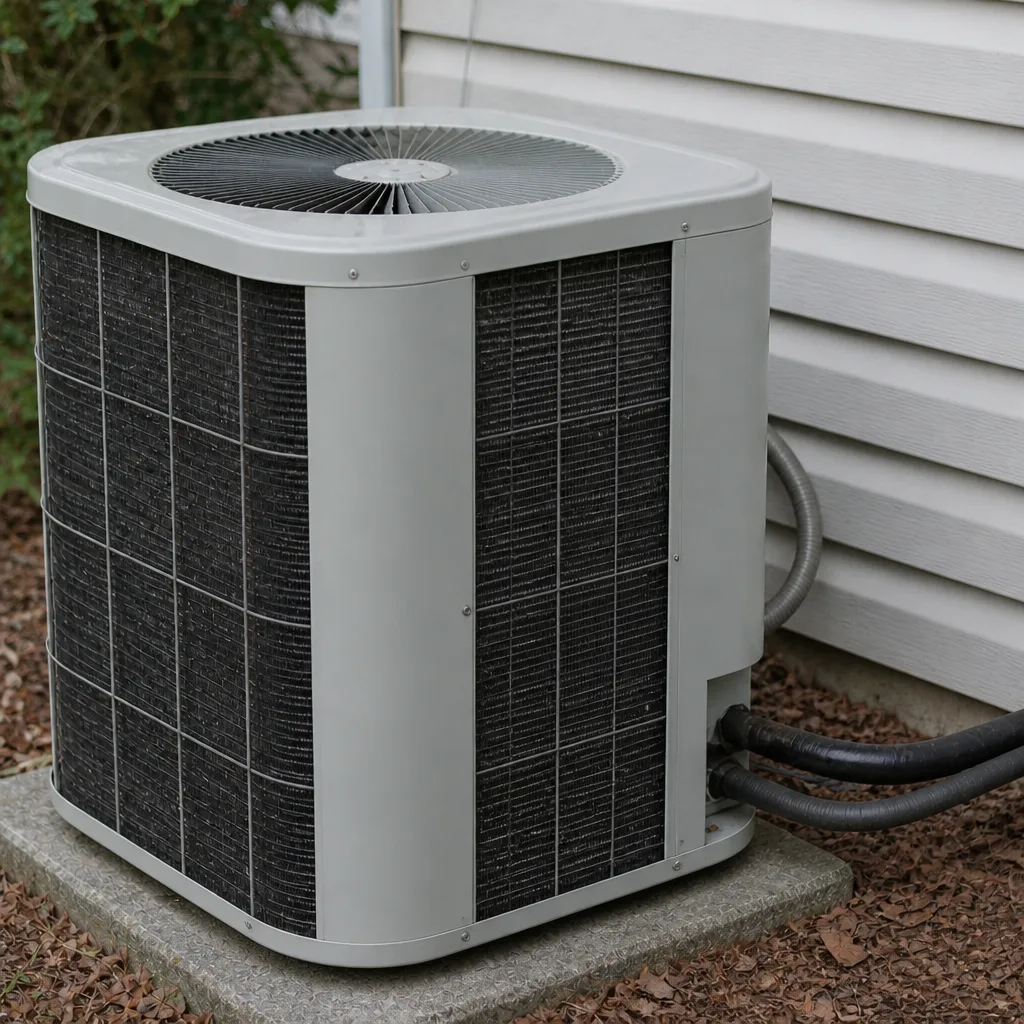 After
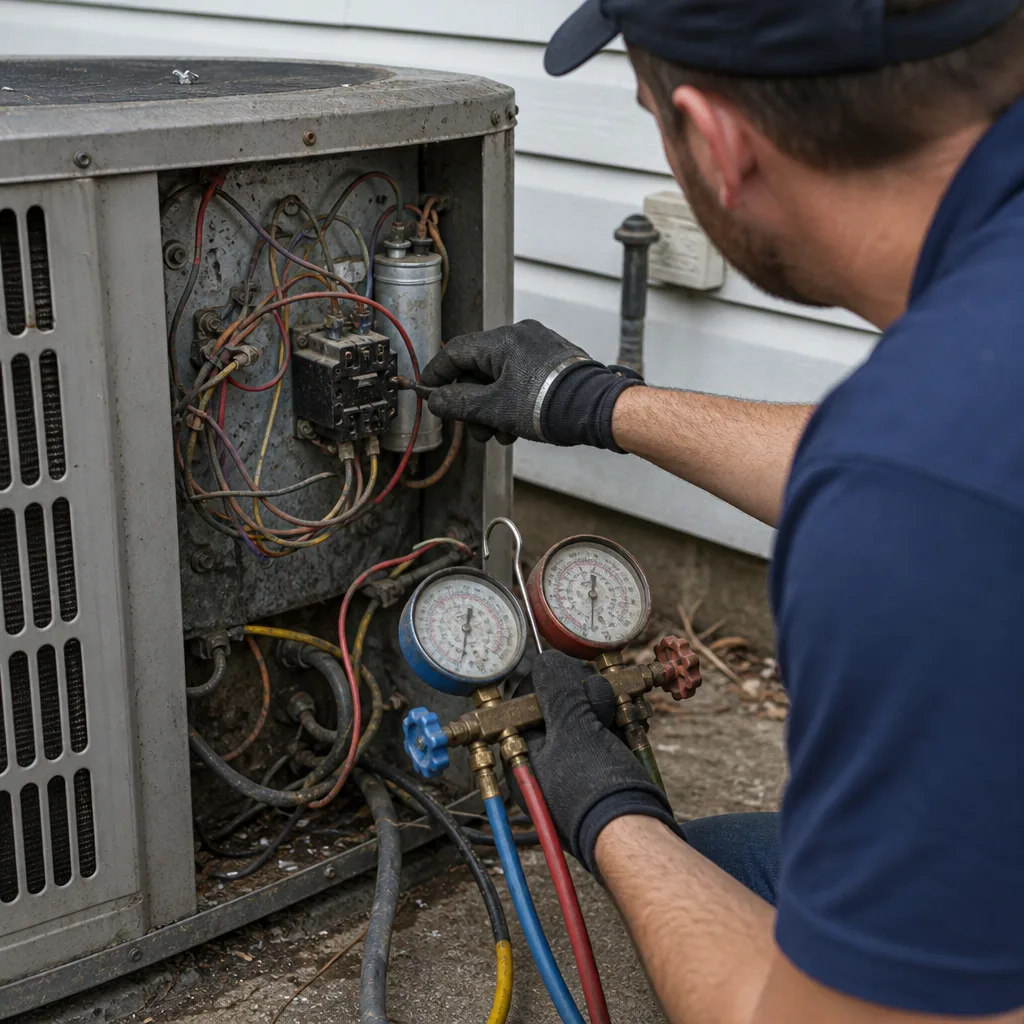 Before
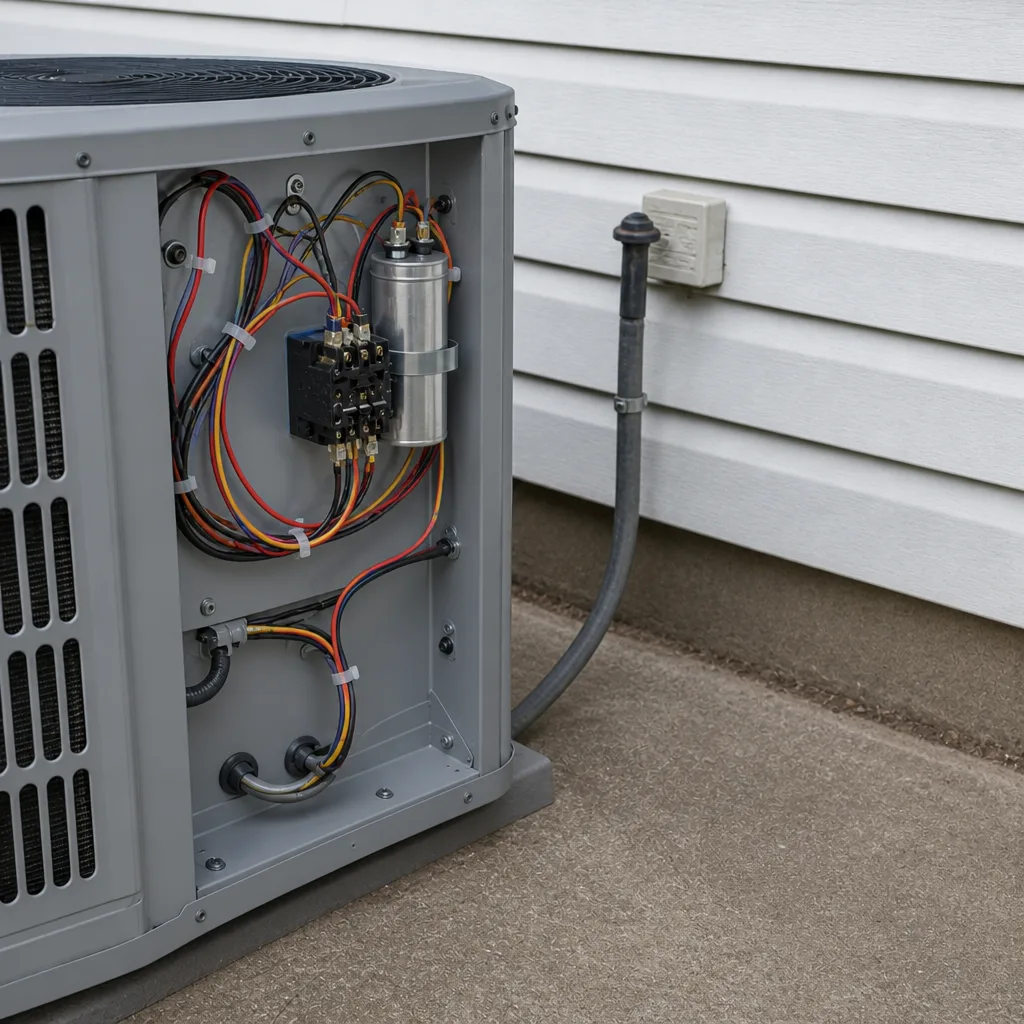 After
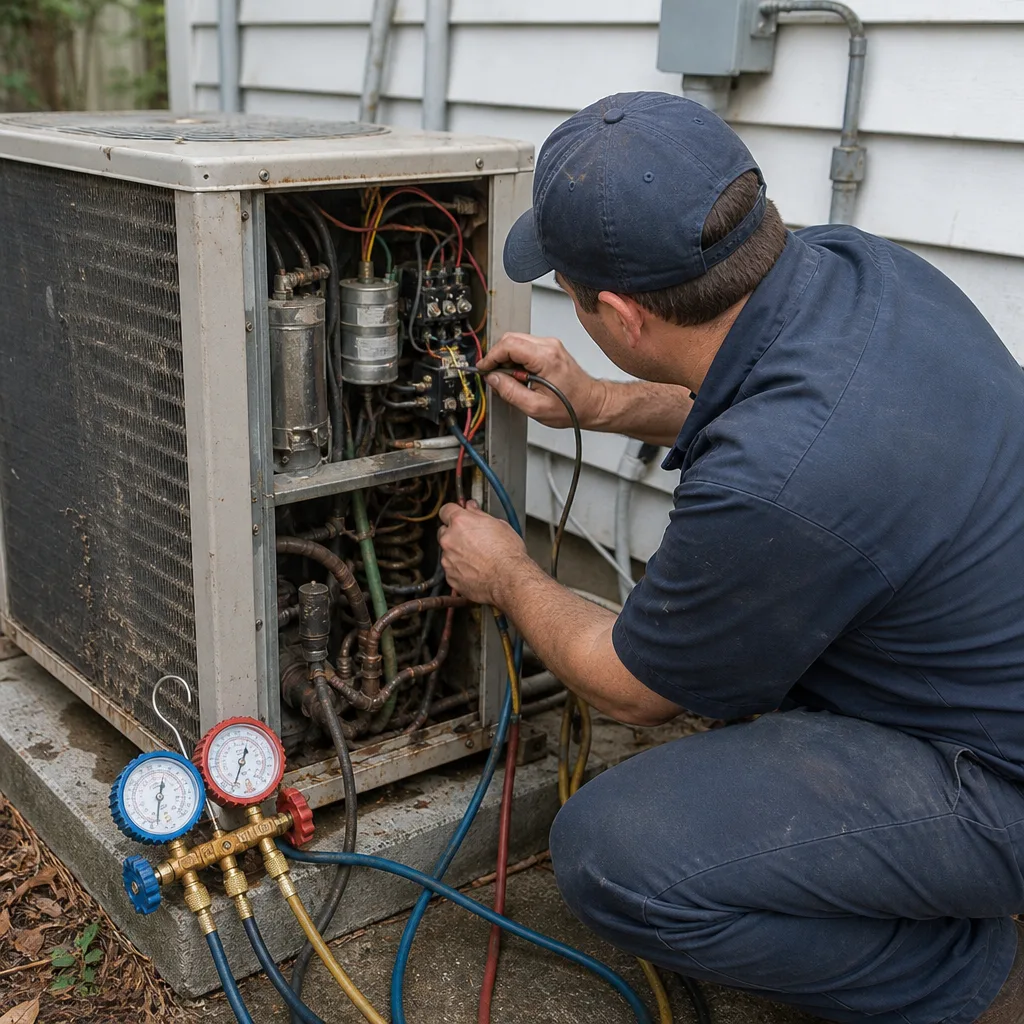 Before
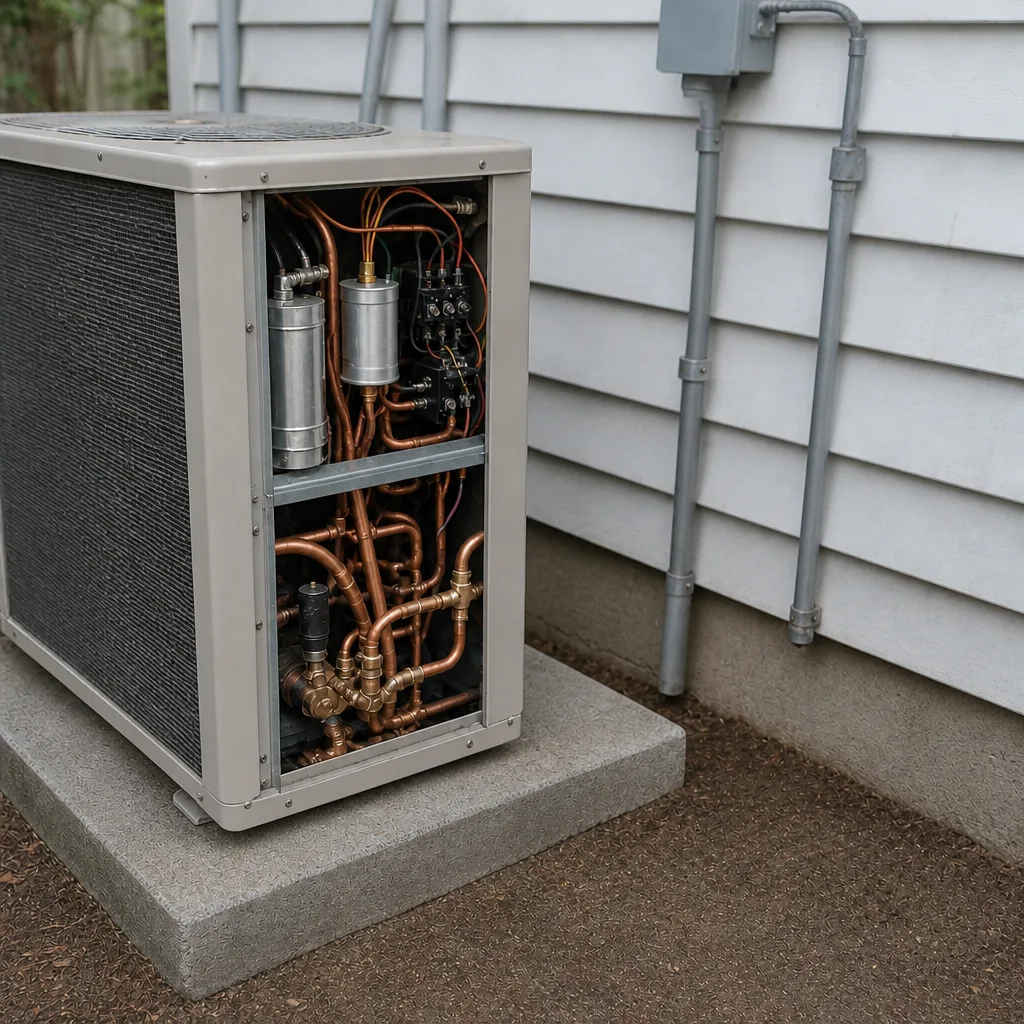 After
When to Call a Professional
The line is clearer than most homeowners think. Call a professional if the system is low on refrigerant (leak search, not top-off), if the compressor is suspect, if the air handler or condenser has a fault inside the electrical cabinet, if there’s gas piping anywhere near the work, or if the thermostat swap is one you aren’t sure about. Call if the system is 15-plus years old and facing its third repair, because that’s a repair-versus-replace conversation worth having before the decision is made for you. Call if the condensate drain has clogged and you can’t confirm the water is draining – Tallahassee’s humidity turns a small backup into a ceiling repair fast. And call if you’re weighing a full replacement, because that’s a load-calculated, written-estimate conversation. Ridgeway AC Repair offers free estimates in Tallahassee – call (844) 834-0157. We answer 24/7. Fast dispatch from 7am to 7pm, Sunday through Friday.
Frequently Asked Questions
No. Federal Clean Air Act Section 608 requires an EPA certification to purchase or handle refrigerant, and Florida contractor licensing rules require a licensed professional to perform that work. The fines are considerably larger than any service call, and a bad charge can damage the compressor. Call (844) 834-0157 for an exact quote; estimates are free.
Filter changes, the vinegar drain flush, and outdoor coil rinsing – total annual cost under $50 for most homes. These three tasks prevent the most common and most expensive failures we see here, and they’re genuinely safe for a homeowner to do. The trick is doing them on a schedule rather than remembering when the house is already warm.
No. Florida Statute Chapter 489 requires licensing when work is performed “for compensation,” and that includes barter or favors. If cash or value changes hands, the work is unlicensed, and the liability falls on the person doing it. Helping for free with filter changes or a drain flush is fine; anything in the sealed system or electrical cabinet is not.
Sometimes yes, often no. A clogged primary drain line is the most common cause and can be cleared with a shop vac or a wire fish from the outdoor termination. If water is coming from the air handler cabinet itself, from the secondary pan, or if the drain has been clogged more than once in the same season, call a professional. In Tallahassee’s humidity, water intrusion typically damages drywall and flooring long before the HVAC bill gets large.
Rarely. A homeowner tune-up covers filters, drain flush, and a bounce-level rinse. A professional tune-up covers those plus refrigerant pressures, electrical contactor wear, capacitor health, and a diagnosis of anything trending toward failure. For roughly $150 to $300 in the Tallahassee market, the diagnostic value is the reason to book the professional visit and reserve DIY for what sits between them.
If it’s past 15 years and has had more than one repair in the last two seasons, or if the leak is unlocatable, replacement is usually the better long-term spend. Otherwise, repair is the honest answer. A proper replacement starts with a load calculation, not a phone quote, and the written estimate is what sets the final price. Call (844) 834-0157 for an exact quote; estimates are free.
The Bottom Line
The DIY-or-pro question isn’t binary. It’s a task-by-task line, and the line is legal, safe, and economic – all three in that order. Filter changes, condensate drain flushes, outdoor coil rinses, and thermostat batteries are yours, and doing them well prevents the most expensive failures we see in Tallahassee homes. Refrigerant, compressor work, sealed electrical, and gas piping are not yours, and the reasons are federal statute, real injury risk, and a repair bill that dwarfs any savings. The middle zone – coil cleaning, thermostat swaps, drain clearing – is where judgment lives, and that’s where a trusted, brand-agnostic technician on call is worth the number in your phone. We work on the system you already have, whichever of the nine major brands it is. That’s how to keep the DIY line in the right place. It’s a cooling and heating conversation we’d rather have before the damage than after.
Contact
If you’ve read this and you’re still not sure which side of the line a job falls on, that’s a normal place to be. Call Ridgeway AC Repair at (844) 834-0157 for a free estimate. We answer 24/7. Fast dispatch from 7am to 7pm, Sunday through Friday. A call outside dispatch hours is booked into the next opening. Estimates are free, the written estimate sets the final price, and our technicians have up to experience with the systems Tallahassee homeowners actually own.
Written by the team at Ridgeway AC Repair.