
Last updated November 16, 2026
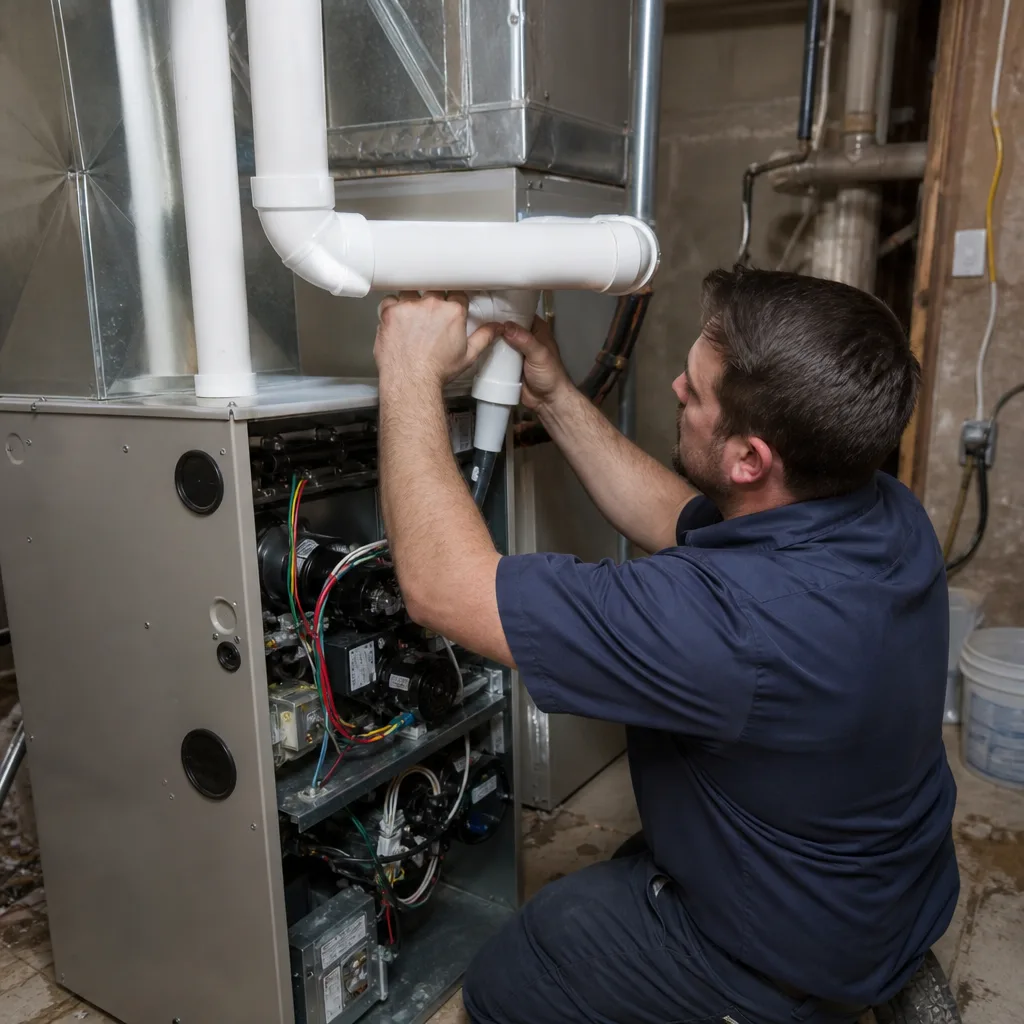
 AC repair
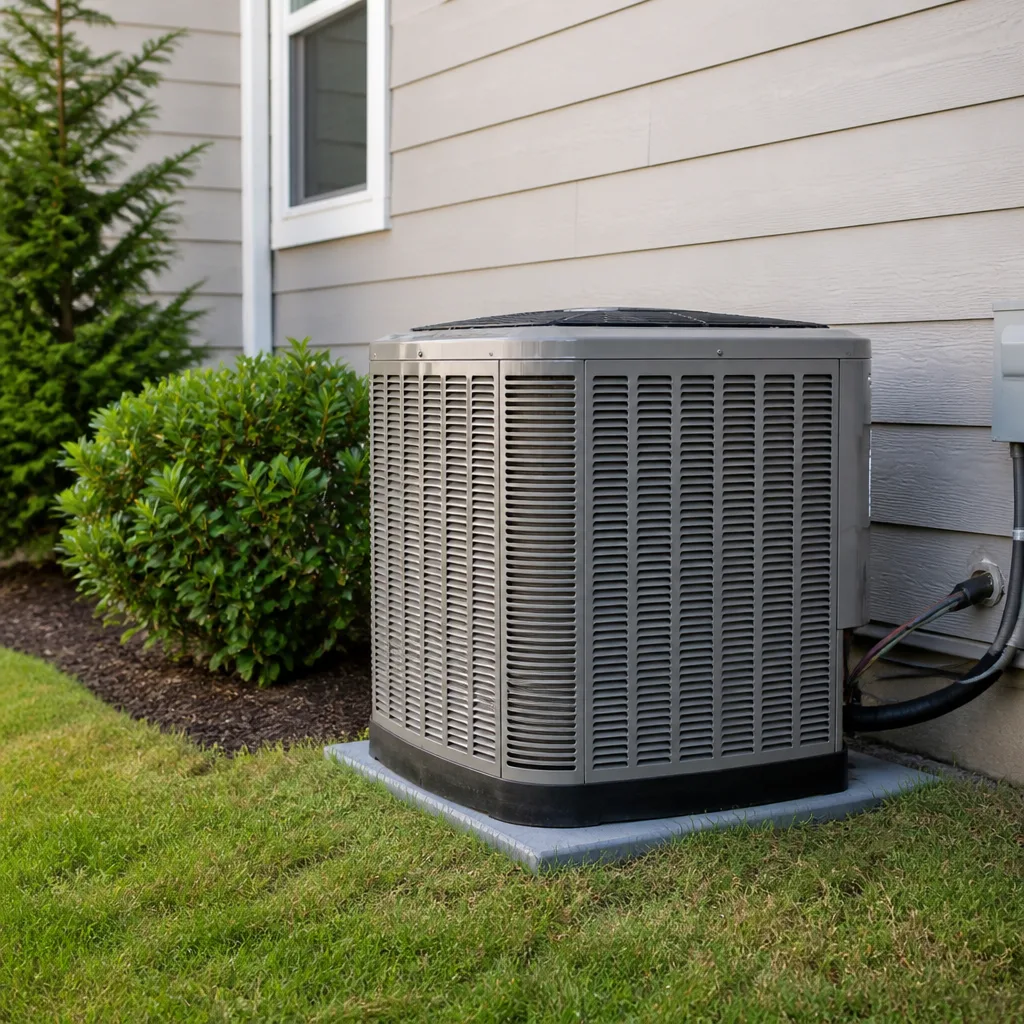
 Furnace & heating
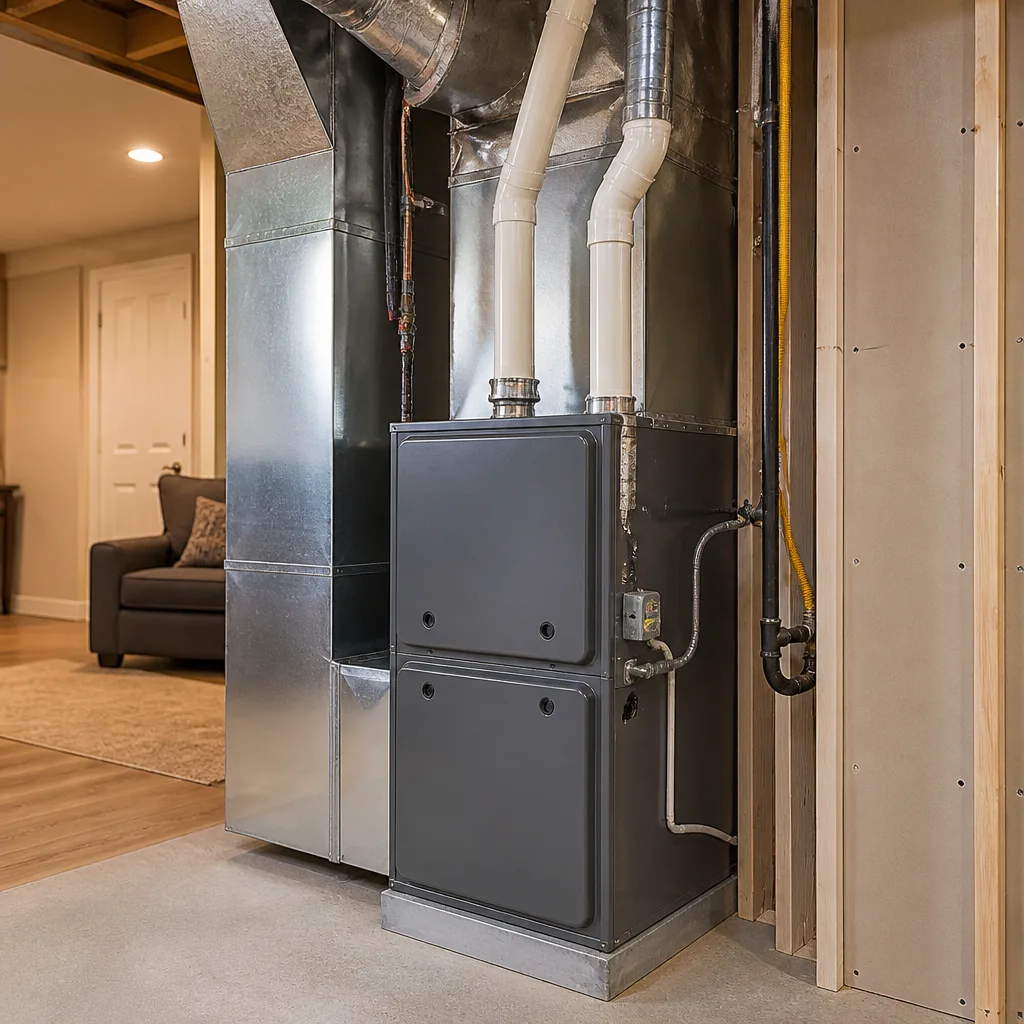
 Heat pumps
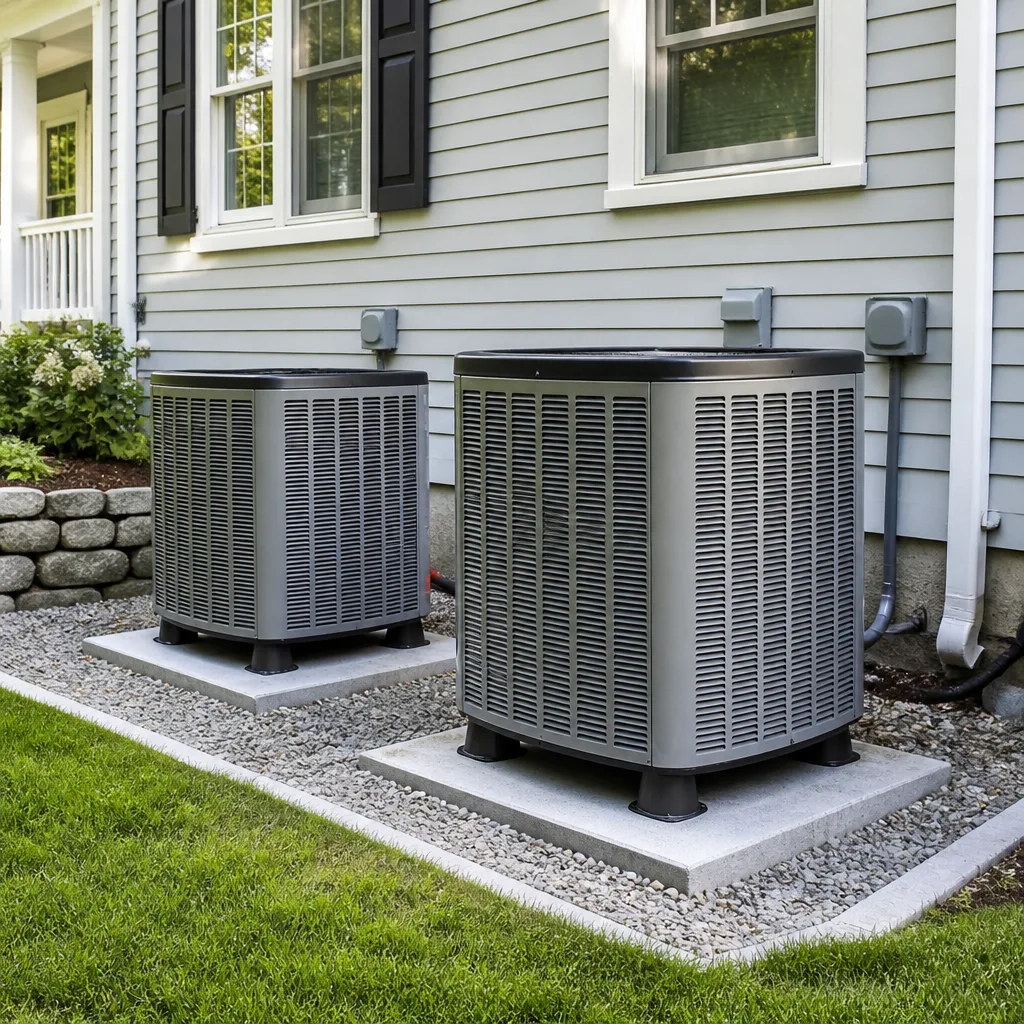
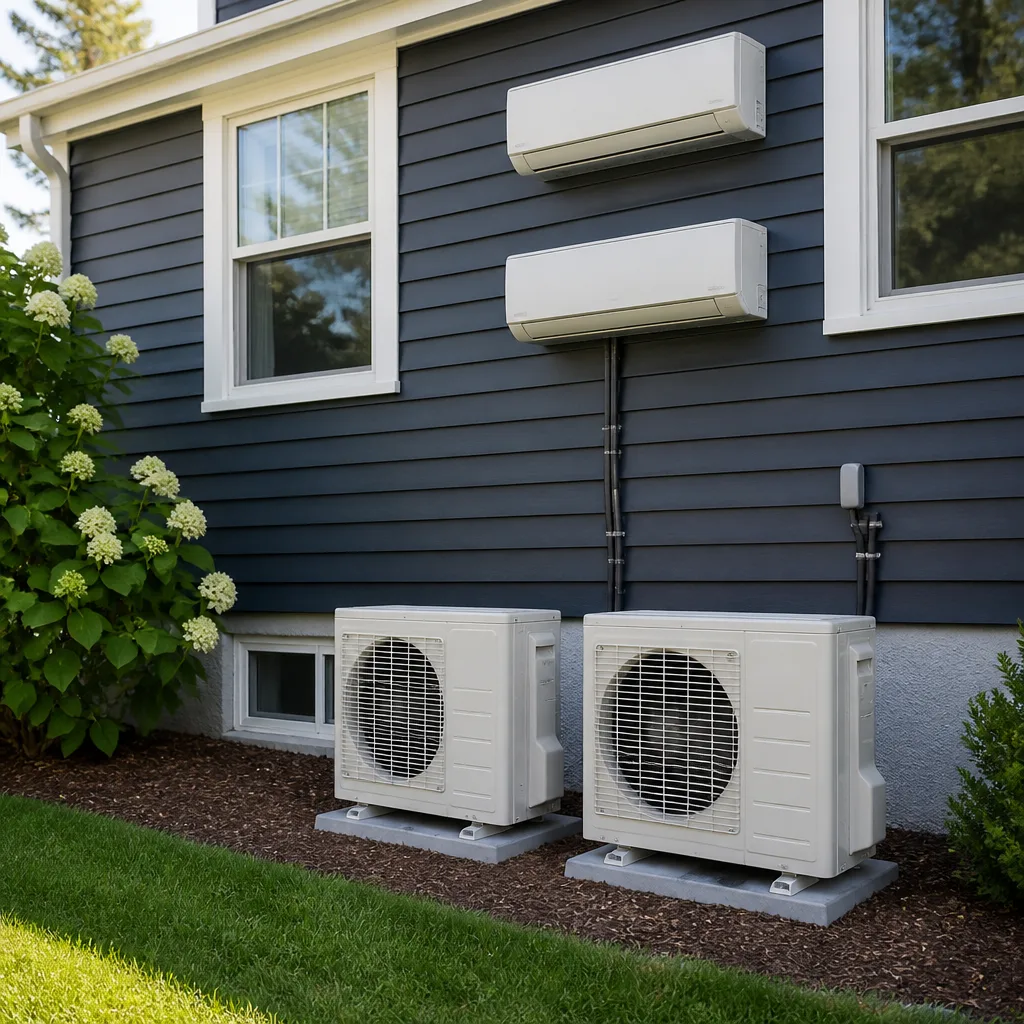 Ductless mini splits
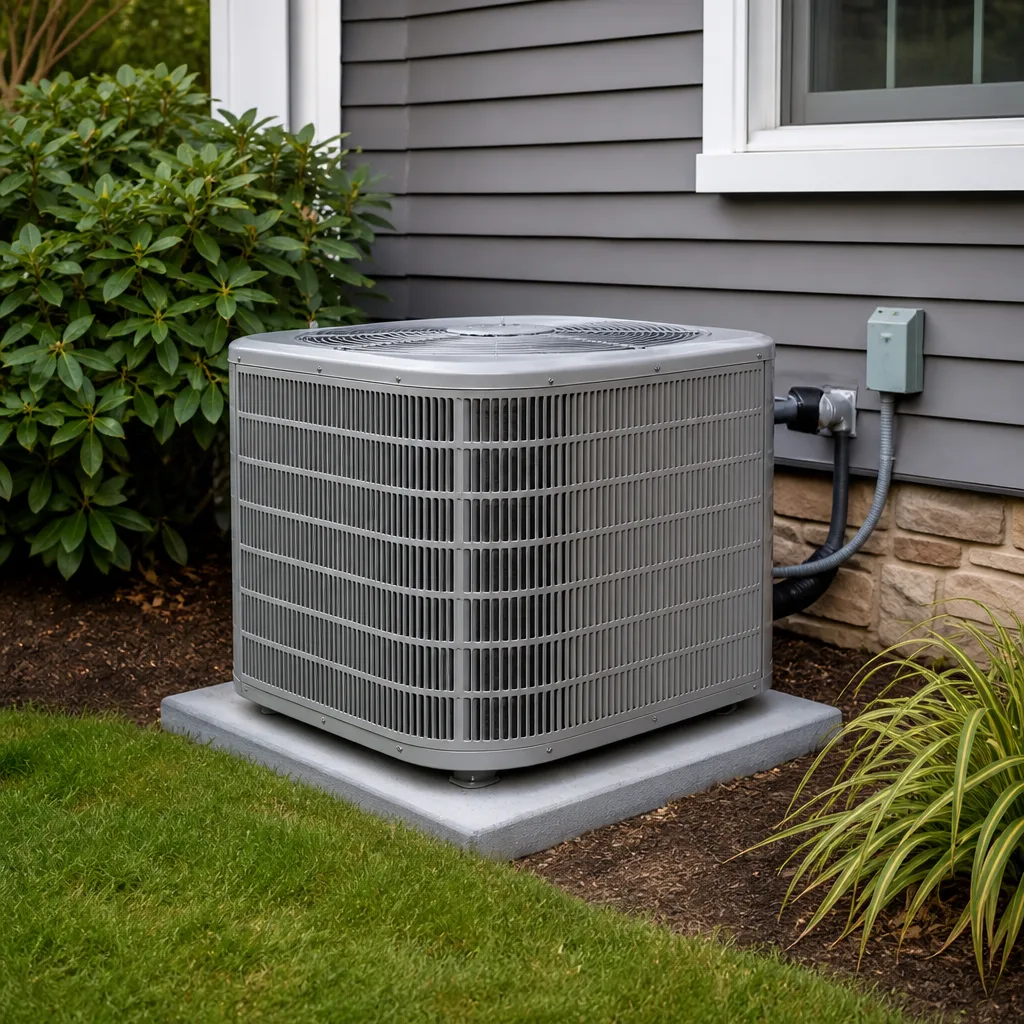 Carrier
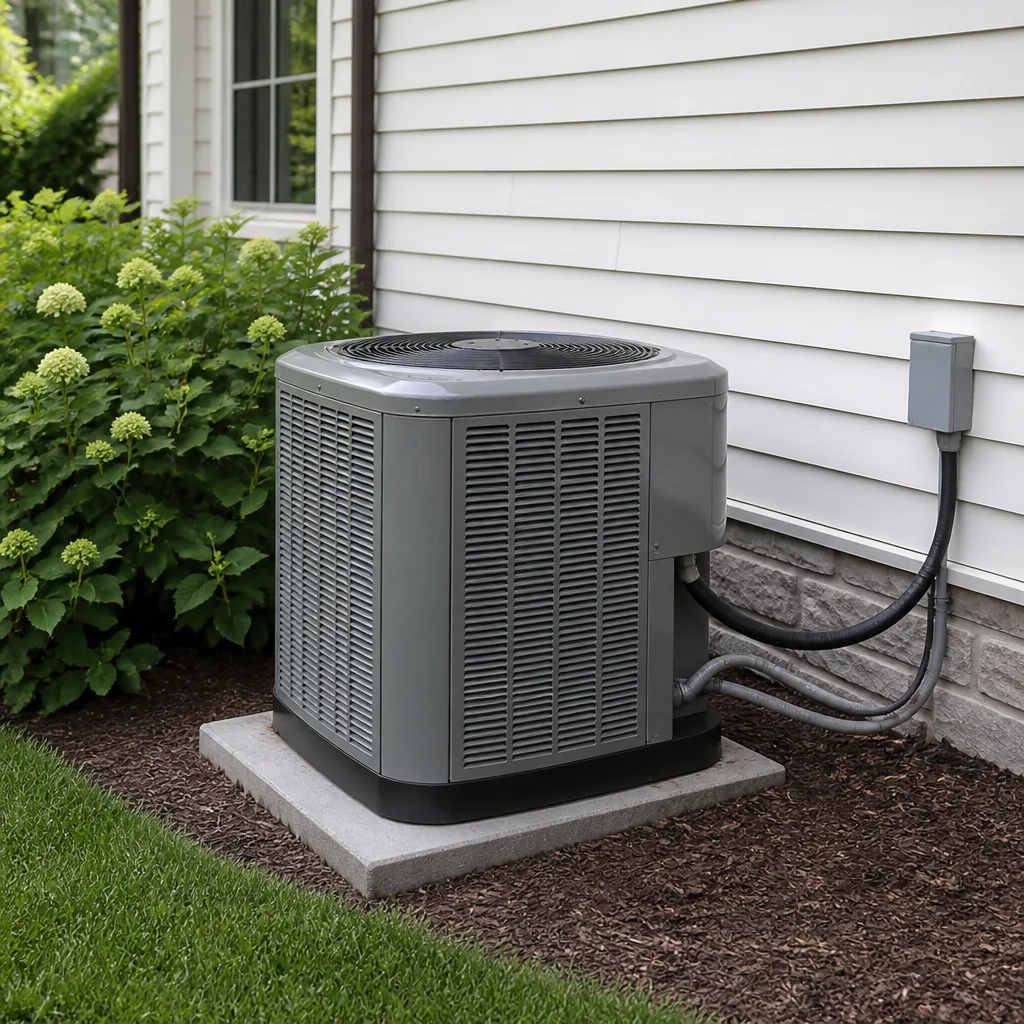 Trane
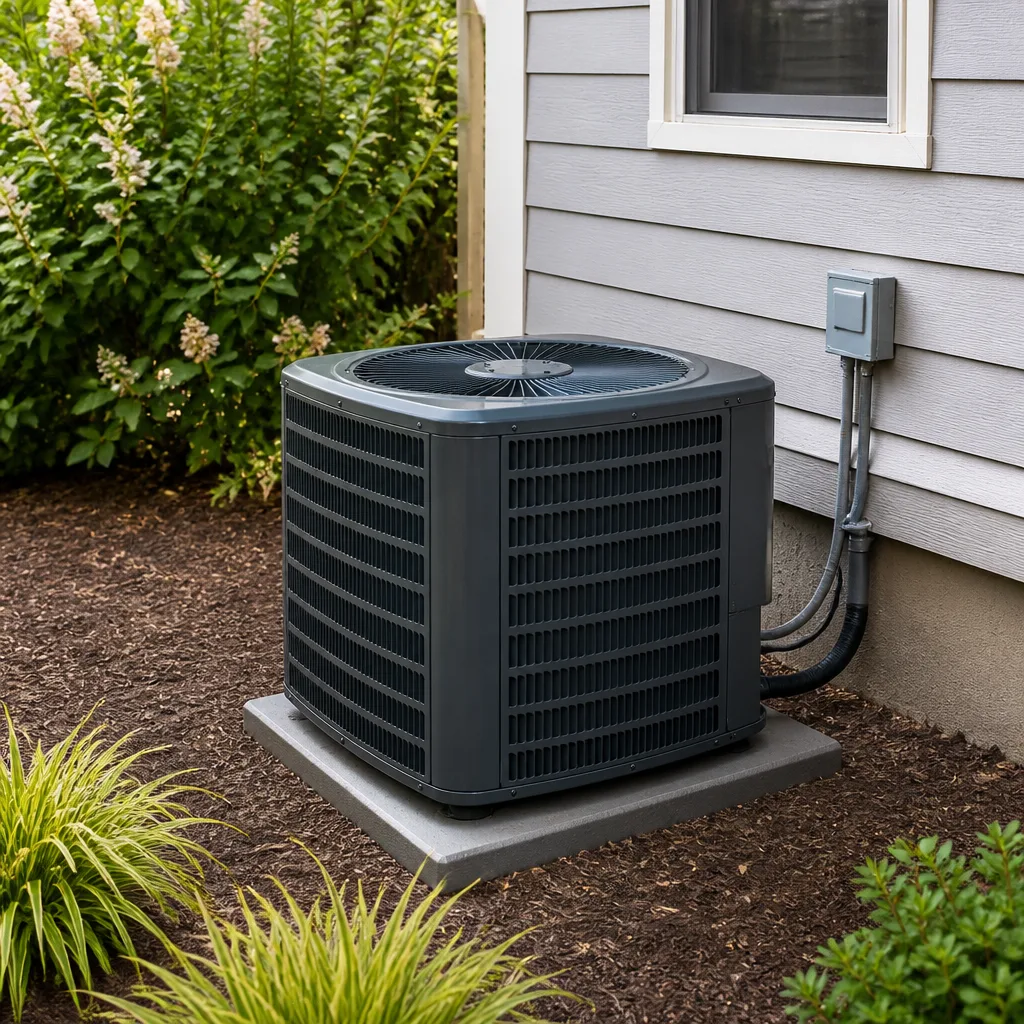 Goodman
Seasonal tune-up and full diagnostic on your Carrier, Trane, or Goodman system - readings shown to you before any repair is proposed
Diagnosis first, numbers second - you approve the repair price before a single part goes in.
Get your free estimateChoosing the Right HVAC Brand: A Buyer’s Guide for Tallahassee
Two identical Trane units installed on the same street by two different contractors will perform differently within three years. That’s not a knock on Trane – it’s the reality of how much the installing crew’s competence matters compared to the nameplate on the condenser. Homeowners in Tallahassee spend weeks comparing brand names, warranty brochures, and internet reviews, then hand the job to whoever answers the phone first. The brand conversation is often the wrong place to start.
This guide explains what actually varies between major manufacturers, what doesn’t, and how to weigh brand against the factors that decide whether your system runs well through a Tallahassee summer. You’ll learn what to ask before signing, what warranty fine print matters, and why a contractor who services nine brands can give you more honest advice than one who sells two.
Quick Answer
There’s no single “best” HVAC brand for Tallahassee – there’s a best fit for your home, budget, and the contractor who installs it. The installing contractor’s skill, the availability of local parts and trained technicians, and the warranty terms matter more than the brand name at equivalent price points. Choose a contractor first, then let the brand decision follow from what that contractor can service well and source locally.
Styles & brands we work with
- AC repair
- Furnace & heating
- Heat pumps
- Ductless mini splits
- Carrier
- Trane
- Goodman
Table of Contents
- What Actually Varies Between Major Brands
- Why Local Parts and Technician Availability Matter in Tallahassee
- Reading SEER2 and EER2 for Tallahassee’s Cooling Load
- The Warranty Fine Print That Costs Homeowners Money
- Why a Brand-Agnostic Contractor Gives Better Advice
- Questions to Ask Before You Choose
- Common Mistakes to Avoid
- Frequently Asked Questions
What Actually Varies Between Major Brands
At equivalent price points, the components inside major residential systems are more similar than marketing suggests. Compressors come from a small handful of manufacturers and get rebranded across multiple labels. Copper coil construction follows similar standards. What genuinely varies is worth knowing – and worth pricing.
Here’s what actually differs between brands like Carrier, Trane, Lennox, Goodman, Rheem, York, Daikin, Bryant, and American Standard:
- Compressor sourcing and tiering. Premium brands often reserve their best compressors for top-tier models. Value brands like Goodman and Rheem may use the same compressor across a wider model range, which can mean better value at the entry level but fewer high-end options.
- Coil construction. All-aluminum coils resist formicary corrosion better than older copper-aluminum designs. Some manufacturers moved to all-aluminum across their line earlier than others. In Tallahassee’s humid summers, coil durability is one of the more meaningful differences.
- Warranty length and terms. A 10-year parts warranty sounds generous until you read what voids it. We cover that below.
- Parts availability and distributor network. This varies enormously by region and is the factor most often overlooked.
- Control and comfort features. Variable-speed blowers, communicating thermostats, and humidity control features are more common on premium lines. For Tallahassee’s long cooling season, a system that manages humidity well is worth more than a slightly higher SEER2 number.
What’s essentially identical across the industry: basic single-stage system architecture, refrigerant handling, and the physics of how a split system cools a home. Nobody has a secret method. The differences are in parts quality, warranty terms, and how well the local supply chain supports the equipment.
Why Local Parts and Technician Availability Matter in Tallahassee
A brand’s national reputation means nothing when your condenser fan motor fails in July and the nearest distributor with the part is three days out. Tallahassee is a mid-size market, and that changes the practical calculus of brand choice. A nationally admired brand with one regional distributor in North Florida may leave you waiting longer for a capacitor, control board, or blower motor than a value brand with deeper local stock.
Before you commit to a brand, ask your contractor these questions:
- Where is the nearest distributor for this brand? A local or regional warehouse is better than a national one that ships from out of state.
- How long does a typical non-stock part take to arrive? Common wear parts should be available locally. Specialty control boards and communicating components are the ones to ask about specifically.
- Are technicians in this market trained on this platform? A brand with strong training support in the area means more technicians can service it correctly.
- Does the brand require certified technicians for warranty work? Some manufacturers require their own certified techs to perform warranty repairs. If the contractor who installed your system leaves the area, you may be stuck finding another certified tech – and that can be a real headache in a mid-size market.
- What do local technicians actually see failing on this brand? This is where brand-agnostic contractors have an edge. Someone who services nine brands sees which ones come back with problems and which ones don’t.
We work on the systems homeowners already own across Tallahassee, from Betton Hills to Killearn to Southwood, and the pattern holds: the brands with the deepest local parts and training support generate fewer extended outages. That’s not a marketing claim – it’s a supply chain fact.
Reading SEER2 and EER2 for Tallahassee’s Cooling Load
SEER2 and EER2 are efficiency ratings, but they’re tested to national standards that don’t perfectly reflect Tallahassee’s climate. Federal ratings assume a mix of heating and cooling hours across the country. In Tallahassee, cooling dominates. That means the efficiency number that matters most for your electric bill is EER2, not SEER2 – and specifically, the EER2 rating at the higher outdoor temperatures your system actually sees.
Here’s how to think about the two ratings:
- SEER2 measures seasonal efficiency across a full year of mixed heating and cooling. Helpful as a general comparison, less useful here.
- EER2 measures efficiency at peak conditions – a hotter outdoor temperature and a specific indoor temperature. In a climate where the system runs hard from May through September, EER2 is the better predictor of summer energy use.
A unit rated at 15 SEER2 but with a modest EER2 may cost more to run in Tallahassee than a slightly lower-SEER2 unit with a stronger EER2. Ask your contractor to show you both numbers on the AHRI certificate, not just the headline SEER2 figure on the box. Some value-tier systems from Goodman or Rheem perform well on EER2 despite modest SEER2 numbers, which makes them worth a closer look for homeowners who care about summer bills more than the marketing badge.
Don’t let a high SEER2 number close the conversation. Ask what the system’s EER2 is, and ask whether the contractor sized the system by a load calculation or by square footage. An oversized system will short-cycle and underperform regardless of its efficiency rating – and in Tallahassee’s humidity, an oversized system also struggles to dehumidify properly, which makes the house feel clammy even when the thermostat reads cold.
The Warranty Fine Print That Costs Homeowners Money
Warranty terms are where brand marketing and brand reality diverge most. A 10-year parts warranty is standard across major brands, but what it covers, what voids it, and whether labor is included varies significantly. Read the actual warranty document before you sign the install contract, not after.
Here’s what to look for:
- Registration requirements. Most manufacturers require the system to be registered within a specific window after installation to get the full warranty term. Miss that window and the warranty may drop to a shorter default period. Ask your contractor who is responsible for registering the equipment and get confirmation in writing.
- Labor coverage. Most manufacturer warranties cover parts only, not labor. Labor is usually covered by the installing contractor’s own warranty, and that warranty expires when the contractor does. If your installer goes out of business, you may still get free parts but pay full labor on every repair.
- Brand-certified technician requirements. Some manufacturers require their own certified technicians for certain warranty claims. If your installer leaves the area, finding another certified tech can be difficult in a mid-size market like Tallahassee.
- Void conditions. Improper installation, mismatched components, non-approved refrigerant handling, and lack of documented maintenance can void a warranty. Ask what maintenance records the manufacturer requires and keep them.
- Transferability. Some warranties transfer to a new homeowner, some don’t. If you plan to sell, transferable coverage can be a selling point.
No blanket guarantee applies across brands – the terms are specific and worth reading carefully. When we provide estimates for AC installation, we walk through the warranty terms on the specific model being quoted so there are no surprises later.
Why a Brand-Agnostic Contractor Gives Better Advice
A contractor who carries only one or two brands has a limited menu. When every recommendation points back to the same label, that’s not analysis – it’s inventory talking. A brand-agnostic contractor services many brands, sees them all fail and succeed, and can recommend based on what actually happens in local homes.
We’re certified to install and repair systems from Carrier, Trane, Lennox, Goodman, Rheem, York, Daikin, Bryant, and American Standard. That range means our recommendations aren’t tied to a dealership incentive. If a Goodman makes sense for a homeowner’s budget, we say so. If a Trane or Bryant fits better for a specific application, we say that instead. The right fix, not the easiest upsell.
Brand-agnostic service also matters at repair time. Nine brands, zero guesswork – a technician who sees a York condenser or a Rheem air handler regularly knows the specific quirks, common failures, and parts patterns without diagnostics from scratch. That familiarity cuts diagnostic time and reduces the chance of a wrong first guess.
There’s a second advantage: cooling and heating under one company. A brand-agnostic contractor who handles both furnace repair and AC work can think about your whole system, not just the half they sell. Tallahassee winters are mild, but a heating failure in January still needs the same contractor relationship you trust in July. One call, both seasons.
Questions to Ask Before You Choose
The right questions at the right time prevent most HVAC disappointments. Use this list as a script when comparing contractors. The answers tell you more about the outcome than the brand brochures will.
- “Will you do a load calculation, or size by square footage?” A proper Manual J load calculation accounts for insulation, window area, orientation, and air sealing. Square-footage sizing is a shortcut that leads to oversized systems and comfort problems.
- “Which brands can you service if my first choice isn’t available?” A contractor who covers multiple brands gives you options if a supply issue delays your preferred model.
- “Where do you source parts, and how fast can you get non-stock components?” Local parts access is the difference between a same-week repair and a two-week outage.
- “What’s included in the install price, and what isn’t?” Line-set replacement, pad, disconnect, thermostat, permit – these vary. Get the specifics in writing.
- “What does your own labor warranty cover, and for how long?” The manufacturer covers parts. Ask what the contractor covers on labor, and for how many years.
- “Do you handle the permit?” Most jurisdictions in and around Tallahassee require a permit for system replacement. Ask who pulls it and who handles the inspection.
- “Will you register the equipment with the manufacturer?” This protects your full warranty term – confirm who is responsible.
- “What happens if the system fails in the first year?” Get the process for first-year failures in writing, including who pays for labor.
Our technicians have up to experience and can walk through these questions on a free estimate. Call (844) 834-0157. We answer 24/7. Fast dispatch from 7am to 7pm, Sunday through Friday.
How the Major Brands Compare in Practice
If you want a snapshot of how the nine brands we work with tend to position themselves, here’s a practical breakdown. This isn’t a ranking – each brand has a place depending on budget and application. What matters is understanding where each sits so you can ask the right questions.
- Carrier and Bryant. Closely related brands under the same parent company. Premium positioning, good humidity control options, strong national network. The two share many components, so brand choice between them often comes down to the local dealer and warranty differences.
- Trane and American Standard. Also closely related. Both emphasize durability and long compressor life. Premium pricing, but strong serviceability in markets with good distributor support.
- Lennox. Premium tier with strong efficiency options. Some Lennox systems lead on SEER2 numbers, but as noted, ask about EER2 and humidity control for Tallahassee.
- Goodman. Value tier, widely installed, with aggressive pricing on entry-level systems. Parts are generally available and technicians who work on many brands know them well.
- Rheem. Mid-tier value brand with good reliability in basic single-stage applications. Reasonable parts availability in most regions.
- York. Mid-tier with a mixed reputation on premium lines but solid value on basic systems. Ask specifically about parts availability in this market.
- Daikin. Growing North American presence with strong manufacturing scale. Worth considering where the local distributor support is strong.
In every case, the question to ask isn’t “Which brand is best?” It’s “Which brand does this contractor service well, source parts for locally, and know how to install correctly?” Those answers vary by contractor and by market – and that’s why brand-agnostic advice matters.
Why the Installer Matters More Than the Brand
The single largest variable in how well your system performs isn’t the brand – it’s how carefully it was installed. Two identical units installed by two contractors will produce measurably different results within a few years. The nameplate matters less than the quality of the install.
Here’s what separates a good install from a rushed one:
- Load calculation before sizing. A system that’s too large short-cycles, runs at part load constantly, and dehumidifies poorly. Size matters, and guessing is the most common mistake.
- Refrigerant charge verified by weight and subcooling, not just “looks right.” Some installers skip this step on a busy day. It shortens the system’s life.
- Ductwork inspected and corrected. A premium system connected to leaky or undersized ducts will underperform a value system on good ductwork. Ask whether duct inspection is part of the install and what happens if problems are found.
- Commissioning documentation. A good install produces a report showing measured airflow, static pressure, refrigerant charge, and temperature split. Ask for it.
- Permit and inspection. A permit pulls your install into a code-inspected process. Skipping the permit often saves a day and costs peace of mind.
- Registration and warranty walkthrough. A good contractor registers the equipment and walks you through the warranty terms in writing.
When we quote a replacement, we offer like-for-like and upgraded options across multiple brands, so the homeowner can compare what fits. If you’re deciding between a repair on your current system and a new install, ask for an honest assessment – not a nudge toward the bigger invoice.
The Trane vs. Goodman Question, Answered
This is the comparison Tallahassee homeowners ask about more than any other. Trane is premium-priced with a reputation for durability and long compressor life. Goodman is value-priced with wide distribution and lower upfront cost. When homeowners compare them side by side, the gap looks enormous on paper – and much smaller in practice.
Both brands use reliable compressors. Both are serviceable by technicians trained on the platform. Both will last many years if installed correctly and maintained. The honest comparison depends on three questions:
- How long are you staying? A value-tier Goodman installed correctly can provide a good service life. If you’re moving in three years, the calculus changes. If you’re staying for 15, either brand can be a good choice depending on the model tier.
- What’s your humidity sensitivity? Premium Trane lines often offer better humidity control options – variable-speed blowers, enhanced dehumidification. In Tallahassee’s humid summers, that can matter.
- How good is the installer? This is the biggest factor. A well-installed Goodman will outperform a poorly installed Trane, every time. Spend the extra diligence on vetting the contractor.
There’s no universal right answer – and anyone who tells you otherwise is selling you something. What we can tell you is what we see in the field across the nine brands we work with. York and Rheem also come up often in value comparisons; both have reliable basic systems and reasonable parts availability, though premium features like variable-speed blowers are less common in their value lines.
See the difference
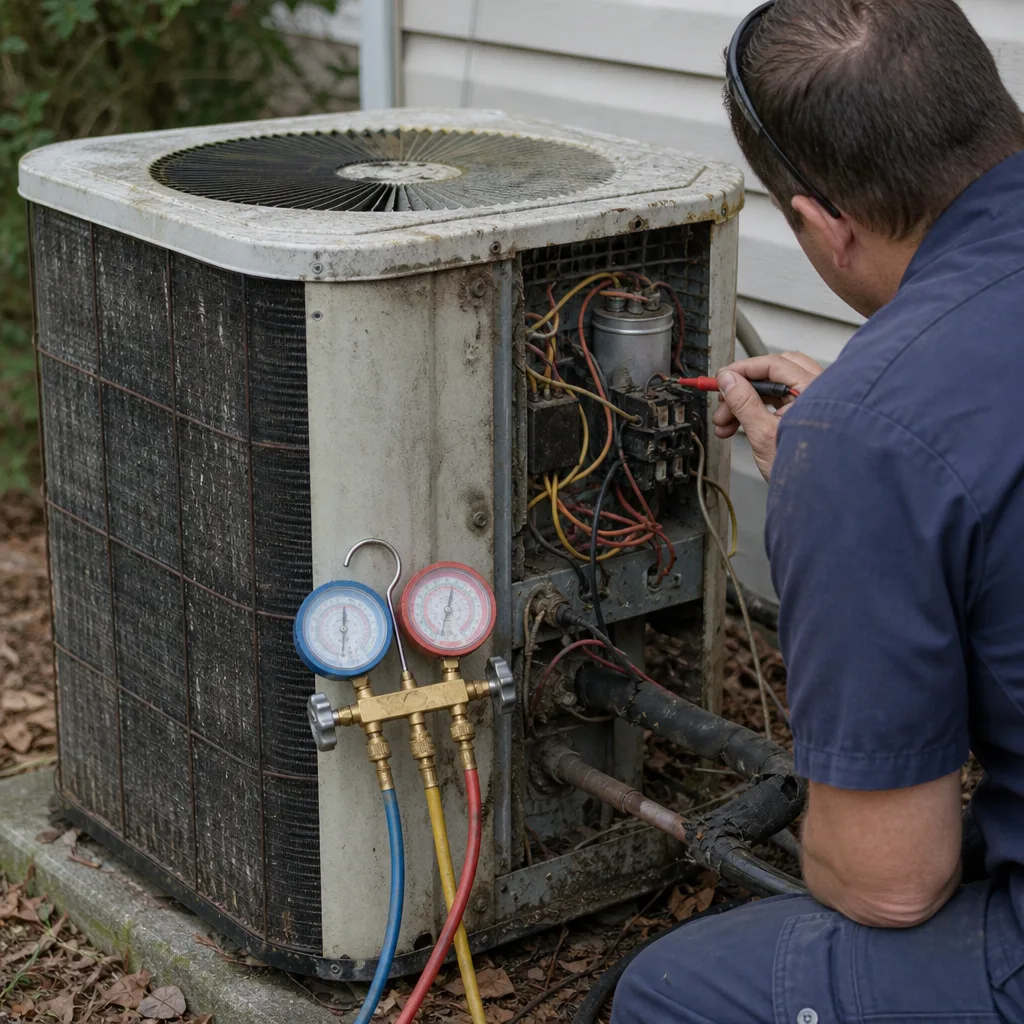 Before
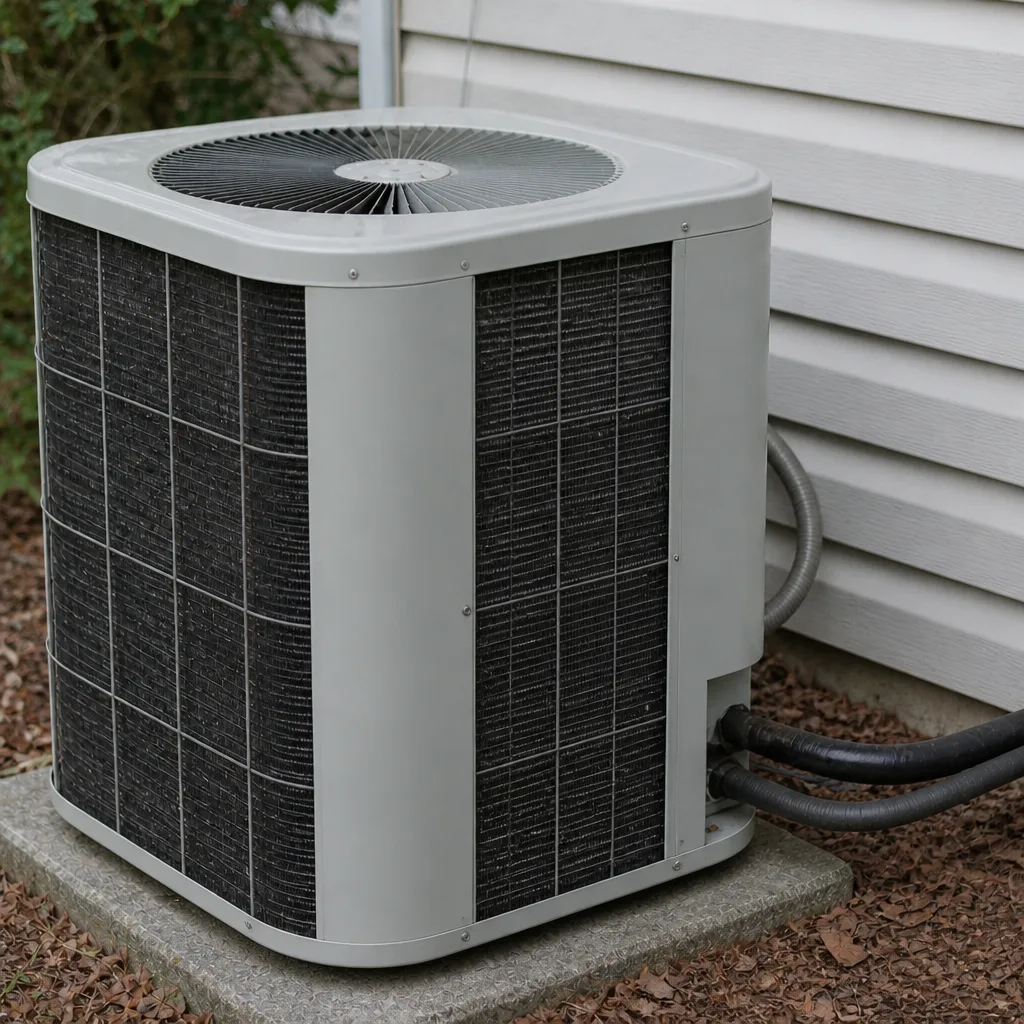 After
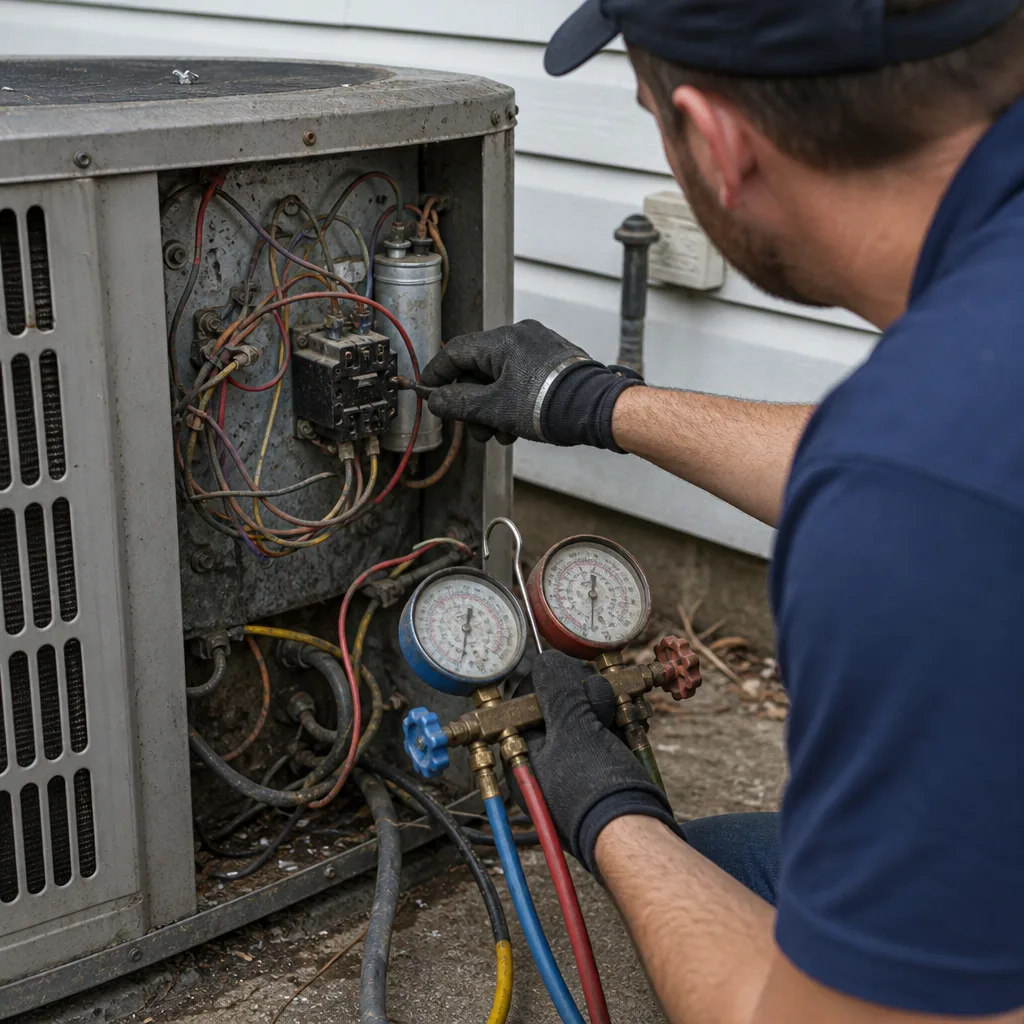 Before
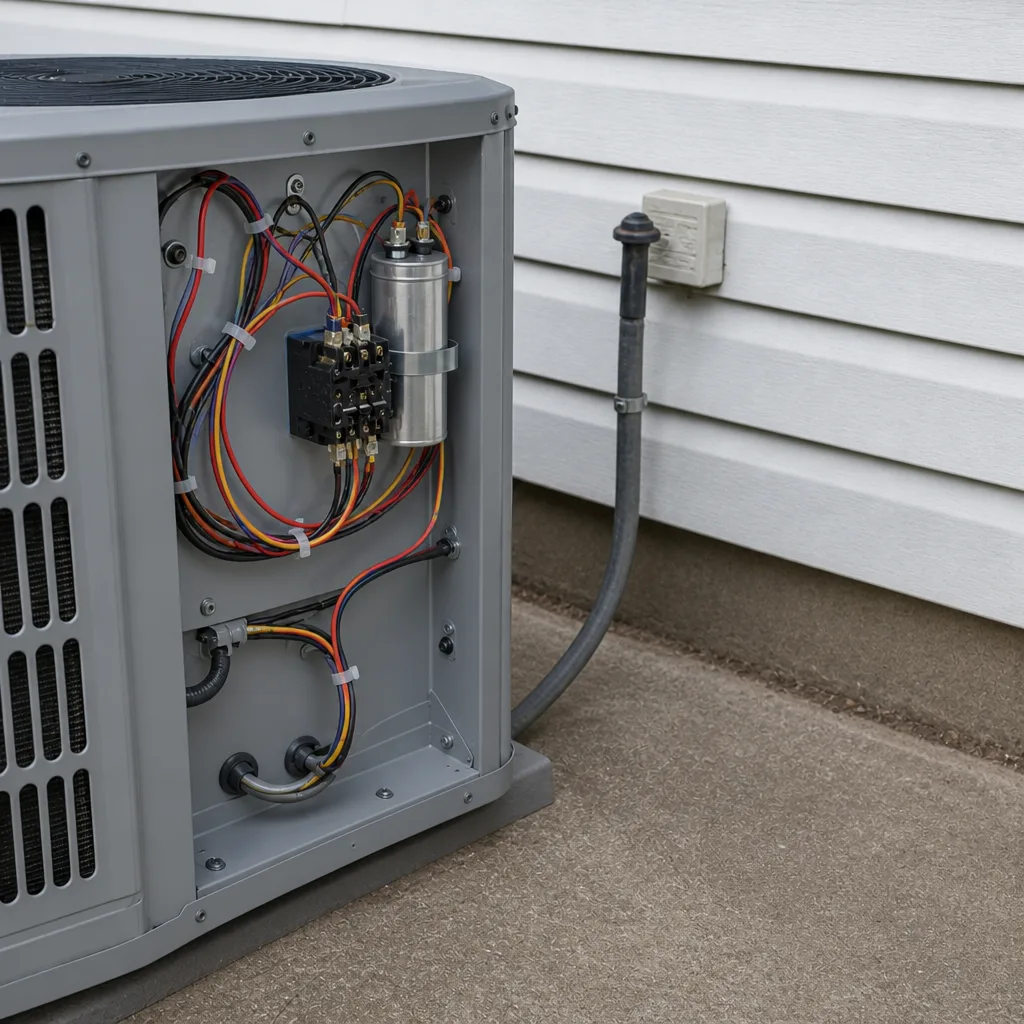 After
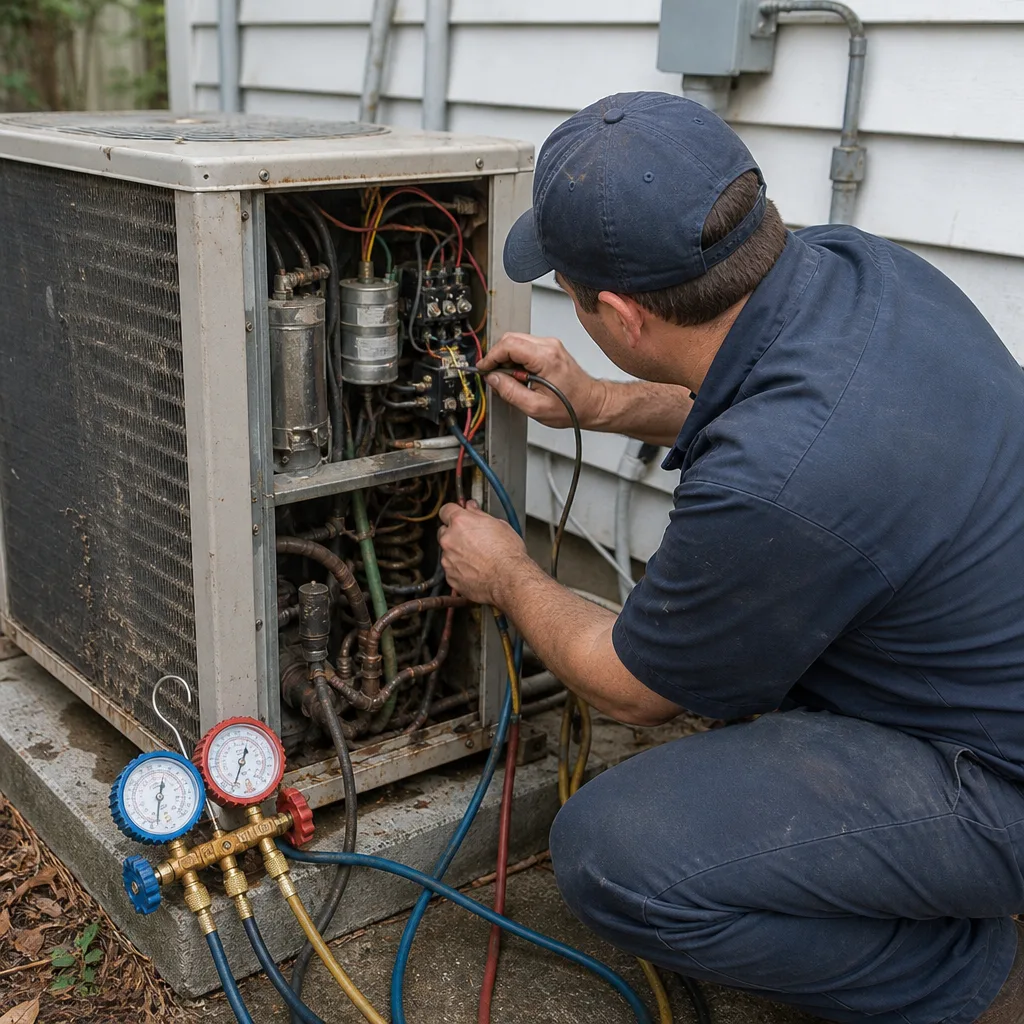 Before
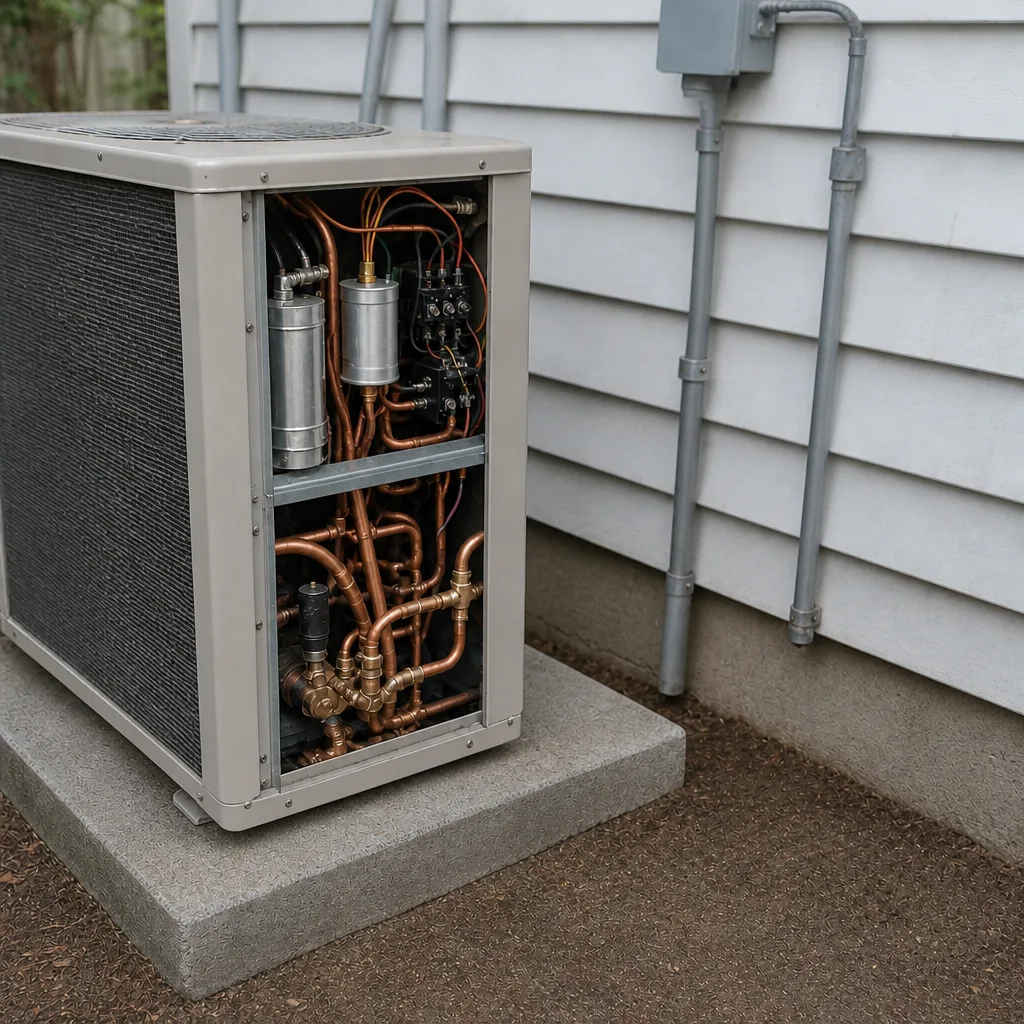 After
Common Mistakes to Avoid
- Choosing a brand before choosing a contractor. The order matters. Pick the contractor based on track record, install practices, and warranty support, then let them recommend the brand. Reversing that order locks you into whoever happens to sell the brand you’ve already chosen.
- Comparing only on SEER2. In a cooling-dominant climate like Tallahassee’s, EER2 at peak conditions is a better predictor of summer energy costs. Compare both numbers, or you’ll overpay for a system that underperforms in July.
- Skipping the load calculation to save a bit on the estimate. An oversized system short-cycles, dehumidifies poorly, and runs up bills. Insist on a proper Manual J load calculation and be suspicious of any contractor who sizes by square footage alone.
- Ignoring warranty fine print on registration. Many homeowners assume the full warranty is automatic. If the equipment isn’t registered within the manufacturer’s window, the warranty defaults to a shorter term. Confirm who is registering and get documentation.
- Assuming the brand’s reputation equals local service experience. A nationally known brand with a single regional distributor in North Florida may leave you waiting on parts longer than a value brand with deeper local stock. Ask about local parts availability before signing.
- Skipping the permit to save a day. Most jurisdictions require a permit for system replacement, and skipping it can complicate warranty claims and resale. Insist on permits for major HVAC work.
- Choosing a dealer with only one brand in stock. A single-brand dealer will always recommend that brand. A brand-agnostic contractor who services nine brands can offer an honest comparison across the market, not just one label.
When to Call a Professional
Brand research stops being useful when your current system starts failing. Call a professional when you notice any of the following: your system runs but doesn’t cool the house, your electric bills jump without explanation, your home feels clammy even at the target temperature, you hear banging, rattling, or hissing, your system is more than 12-15 years old and struggling, or your furnace has failed and you’re facing a January repair. Those are all signals that it’s time for a real diagnosis, not another round of internet comparison shopping.
Ridgeway AC Repair offers free estimates in Tallahassee – call (844) 834-0157. We answer 24/7. Fast dispatch from 7am to 7pm, Sunday through Friday. Our technicians arrive familiar with the specific system in your home and can tell you whether a repair makes sense or whether a replacement is the smarter long-term spend.
Frequently Asked Questions
There’s no single best brand for Tallahassee – the right choice depends on your home, budget, and contractor. What matters in this climate is humidity control, EER2 efficiency at peak temperatures, and local parts and technician availability. A mid-tier system installed by a good contractor will typically outperform a premium system installed poorly.
Call (844) 834-0157 for a free estimate on your specific home.
Not universally, and the answer depends on model tier and installation quality. Trane offers stronger humidity control options on many premium lines, while Goodman offers good value at entry-level pricing with widespread parts availability. A well-installed Goodman will outperform a poorly installed Trane; spend your diligence on the contractor rather than the nameplate.
Call (844) 834-0157 if you’d like an honest comparison for your home.
Yes – more than many homeowners realize. Some manufacturers require their own certified technicians for certain warranty claims, which can be a real problem in a mid-size market if your installing contractor leaves the area. Other brands have broader technician networks. Ask about warranty-certified technician availability in Tallahassee before you commit to a brand.
Call (844) 834-0157 to discuss warranty terms on specific models.
Aim for the highest EER2 you can reasonably afford at peak conditions, and treat SEER2 as a secondary comparison. In Tallahassee’s cooling-dominant climate, EER2 is the more useful efficiency number because it reflects performance at the higher outdoor temperatures your system actually lives in. Anything at or above current federal minimums will work; higher EER2 numbers pay back fastest here.
Call (844) 834-0157 and we’ll walk through both numbers on the models you’re considering.
Usually no. Mixed-brand systems can create warranty complications and compatibility headaches, particularly with communicating controls. It’s often simpler to stay with one brand for the pair, and a brand-agnostic contractor can recommend a matched system from a brand they service well. One call, both seasons.
Call (844) 834-0157 for a matched-system quote.
Ask how many brands they’re certified to install and repair, and ask whether they have dealer incentives tied to a single brand. A contractor who works on many brands, like Ridgeway AC Repair, has more latitude to recommend what actually fits your home. Ask for a like-for-like and an upgraded option on the same quote, and ask why each is being recommended.
Call (844) 834-0157 for a brand-agnostic comparison.
The Bottom Line
Brand research is worth doing, but it belongs near the end of your decision, not the beginning. Choose the contractor first – one who services multiple brands, does load calculations, handles permits, and puts warranty terms in writing. Then let them recommend what fits your home, budget, and Tallahassee’s cooling-dominant climate. The nameplate on the condenser tells you less about your next 15 years of comfort than the crew that installs and services it. Nine brands, zero guesswork – that’s the right place to start.
Call (844) 834-0157 for a free estimate. We answer 24/7. Fast dispatch from 7am to 7pm, Sunday through Friday.
Written by the team at Ridgeway AC Repair.