
Last updated November 16, 2026
 AC repair
 Furnace & heating
 Heat pumps
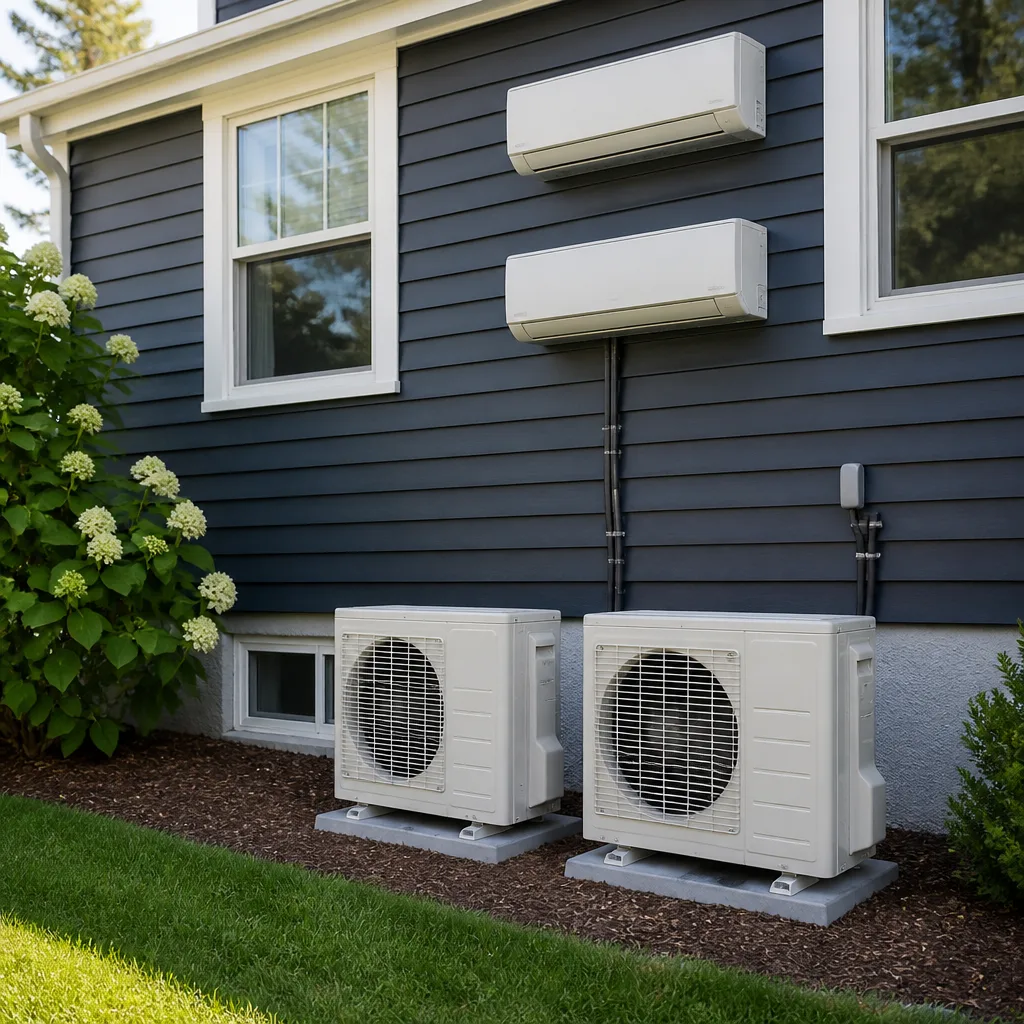 Ductless mini splits
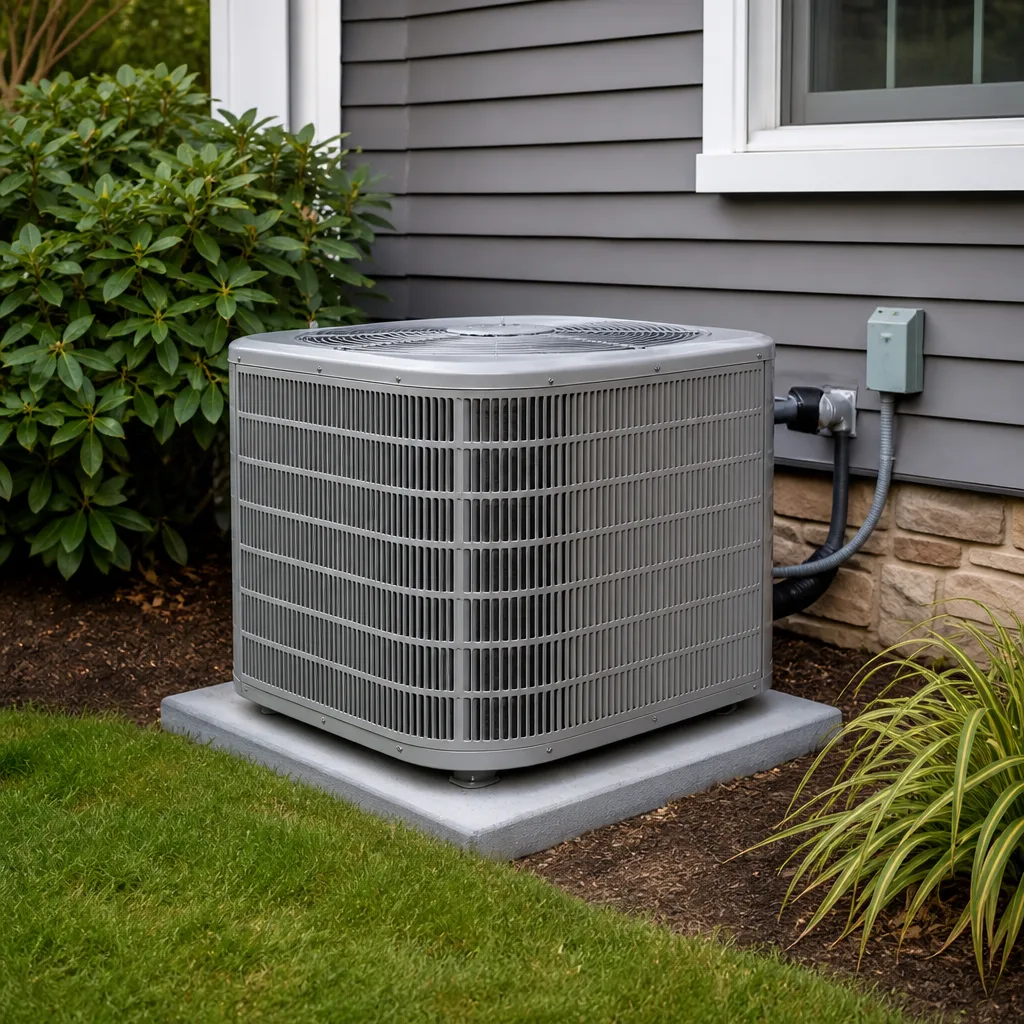 Carrier
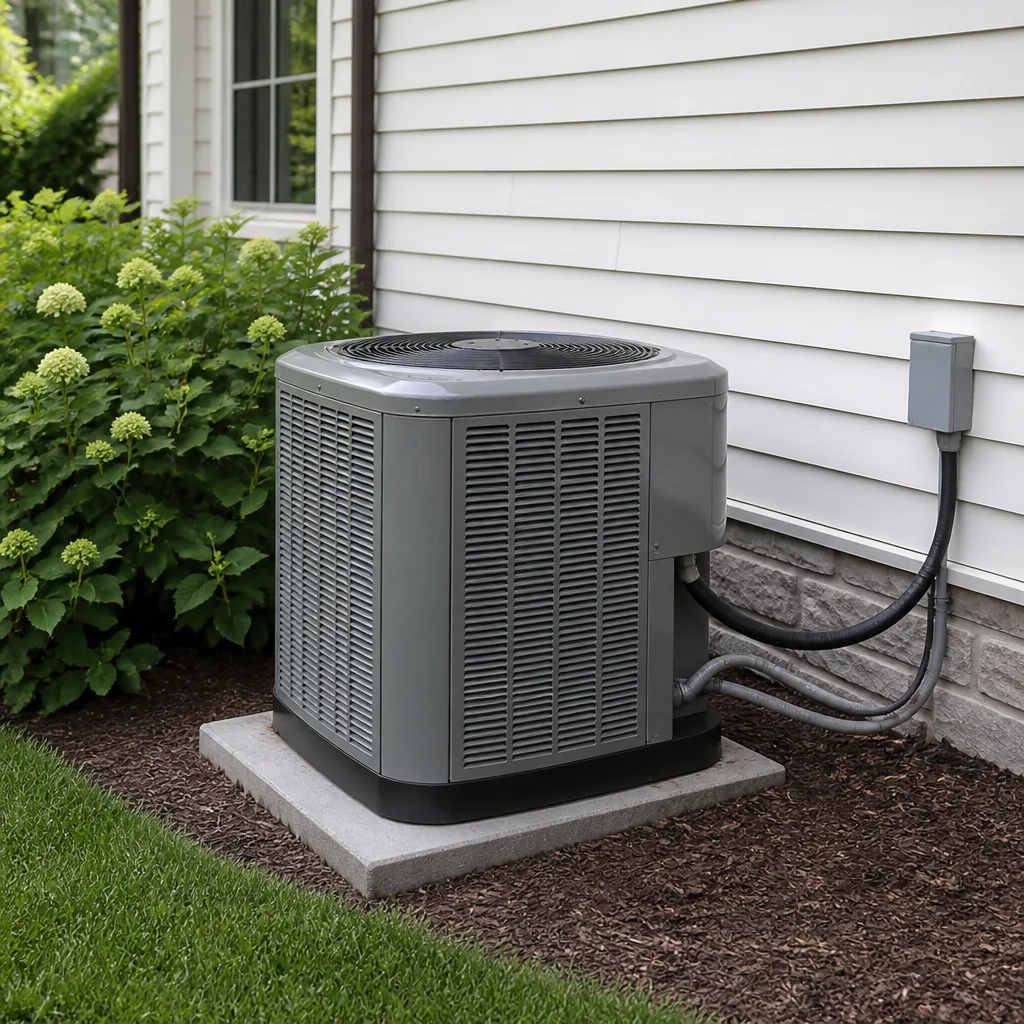 Trane
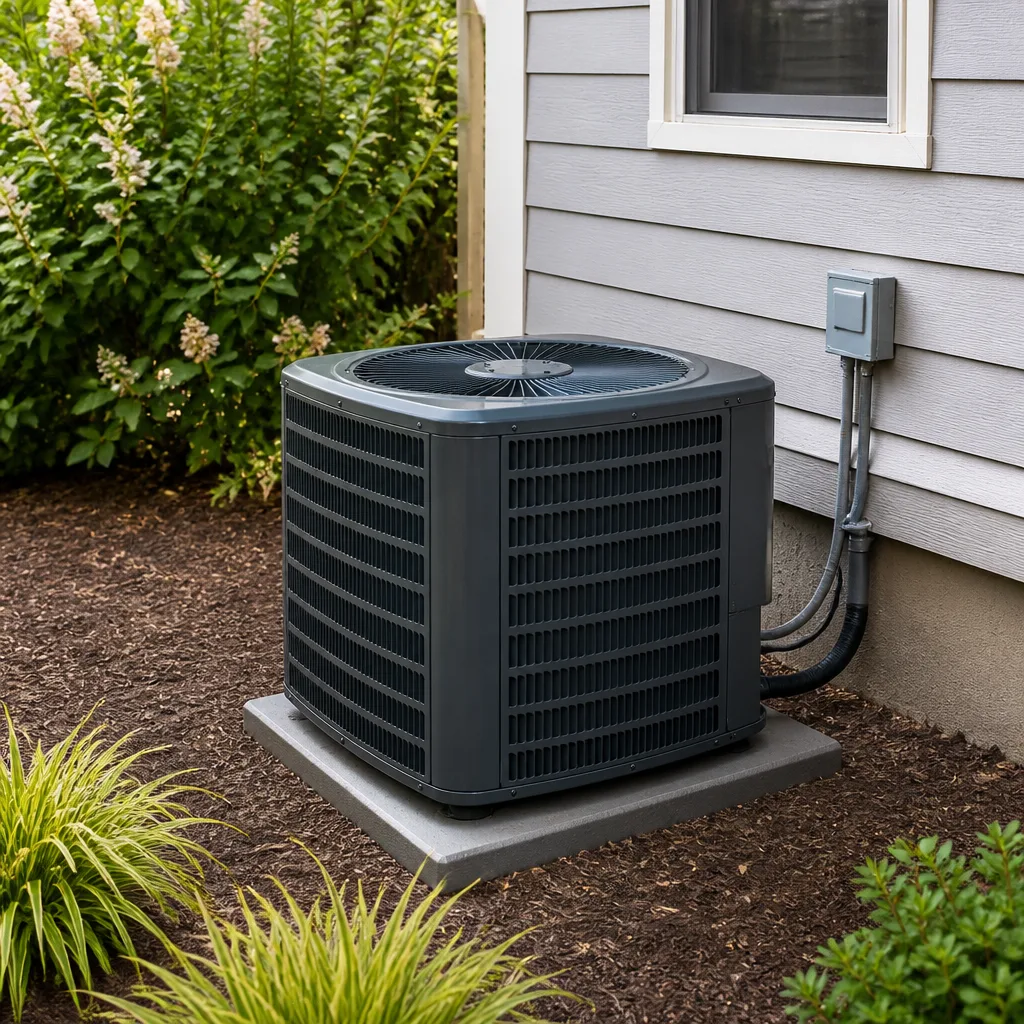 Goodman
Seasonal tune-up and full diagnostic on your Carrier, Trane, or Goodman system - readings shown to you before any repair is proposed
Diagnosis first, numbers second - you approve the repair price before a single part goes in.
Get your free estimateHVAC Permits, Codes & Inspections in Tallahassee, FL: What You Need to Know
Most homeowners assume a permit is just paperwork and a line item on the bill. It isn’t. In Leon County, an HVAC permit is the legal record that a system was installed to code, and it can travel with a house for years. Here’s the part that surprises people: a homeowner who sells a property with an unpermitted HVAC replacement can be held liable for the buyer’s cost to bring the system into compliance, even after the sale closes. That’s not a warranty quirk or a scare tactic. It’s how disclosure and code compliance work in Florida. This guide shows you which HVAC work in Tallahassee actually needs a permit, how to pull the permit history on any property before you buy or hire, and what the Leon County inspection sequence looks like from the first rough-in visit to the final sign-off.
Quick Answer
In Tallahassee and the rest of Leon County, a full HVAC system replacement, a new installation, and most duct modifications require a permit and inspection through the local building department. Like-for-like repairs and filter changes generally don’t. The work also has to meet Florida Energy Code requirements in the Florida Building Code, and the job usually runs through two inspections: a rough-in inspection before the system is closed up and a final inspection after it’s running. Skipping the permit doesn’t make the work cheaper; it just moves the risk to you.
Styles & brands we work with
- AC repair
- Furnace & heating
- Heat pumps
- Ductless mini splits
- Carrier
- Trane
- Goodman
Table of Contents
- What Triggers an HVAC Permit in Tallahassee?
- How to Look Up Permit History Before You Buy or Hire
- The Two-Stage Inspection Process Explained
- Florida Energy Code: SEER Minimums and Duct Leakage Testing
- What Happens When Unpermitted Work Turns Up
- How to Vet a Tallahassee HVAC Contractor
- Why Permits Matter More in Tallahassee’s Climate
- Closing Out a Permit and What to Keep
What Triggers an HVAC Permit in Tallahassee?
The line between “repair” and “permit-required work” is more specific than most homeowners expect. Here’s how we break it down when a customer asks.
Usually requires a permit in Leon County:
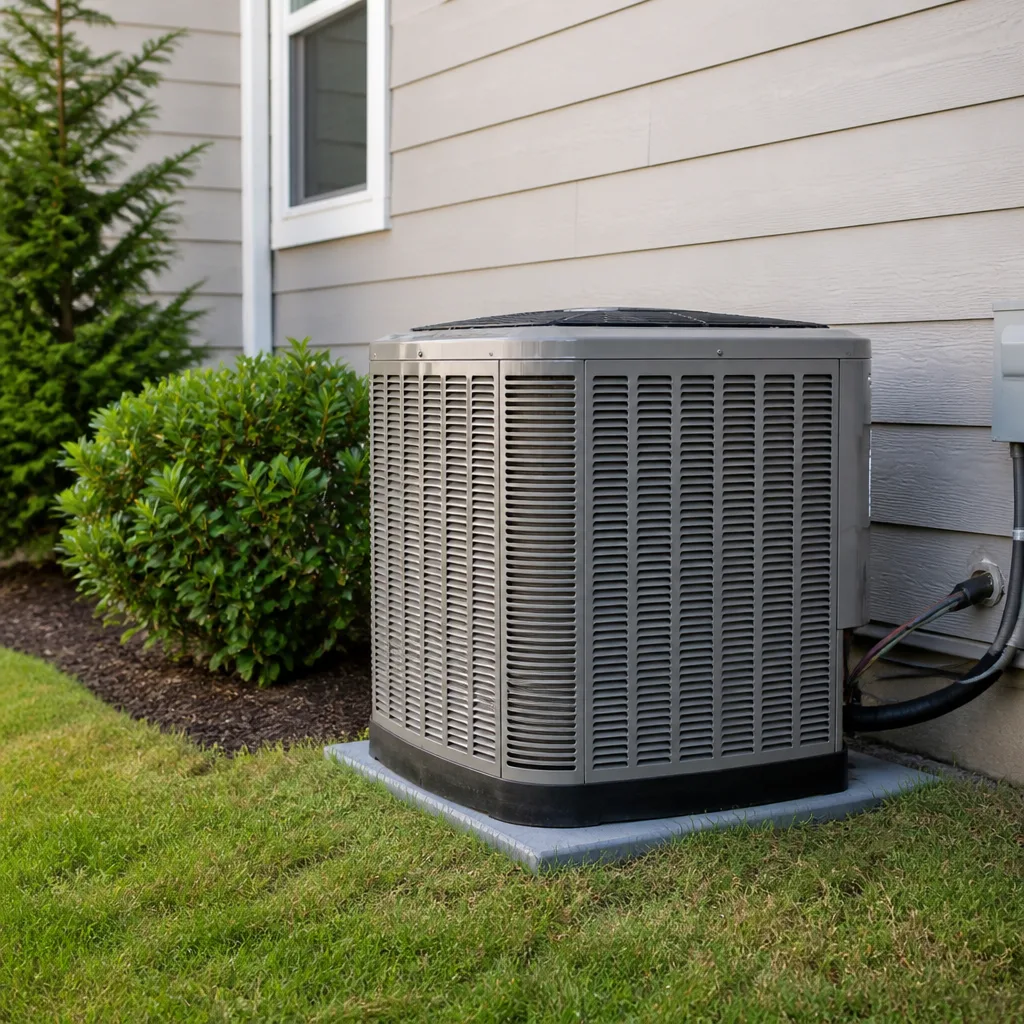
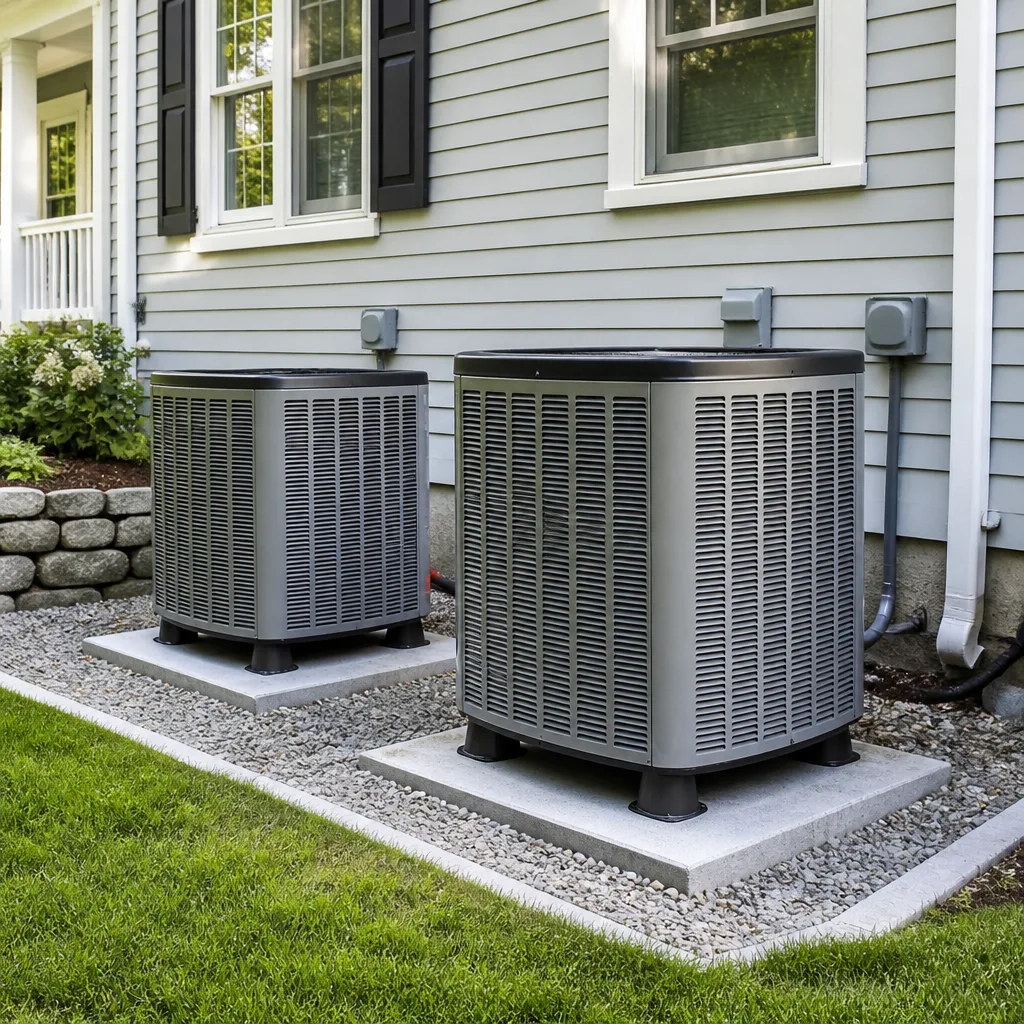
- Replacing a complete air conditioning system or furnace, indoor unit and outdoor condenser alike
- Installing HVAC in new construction or in an addition that wasn’t previously conditioned
- Adding a new system where none existed
- Modifying the duct system in a way that changes its layout, size, or airflow design
- Converting a system type, such as moving from one configuration to another with different electrical or line-set demands
Usually does not require a permit:
- Repairing a failed component with a like-for-like part, such as a motor, contactor, capacitor, or fan
- Replacing a filter or cleaning coils as routine maintenance
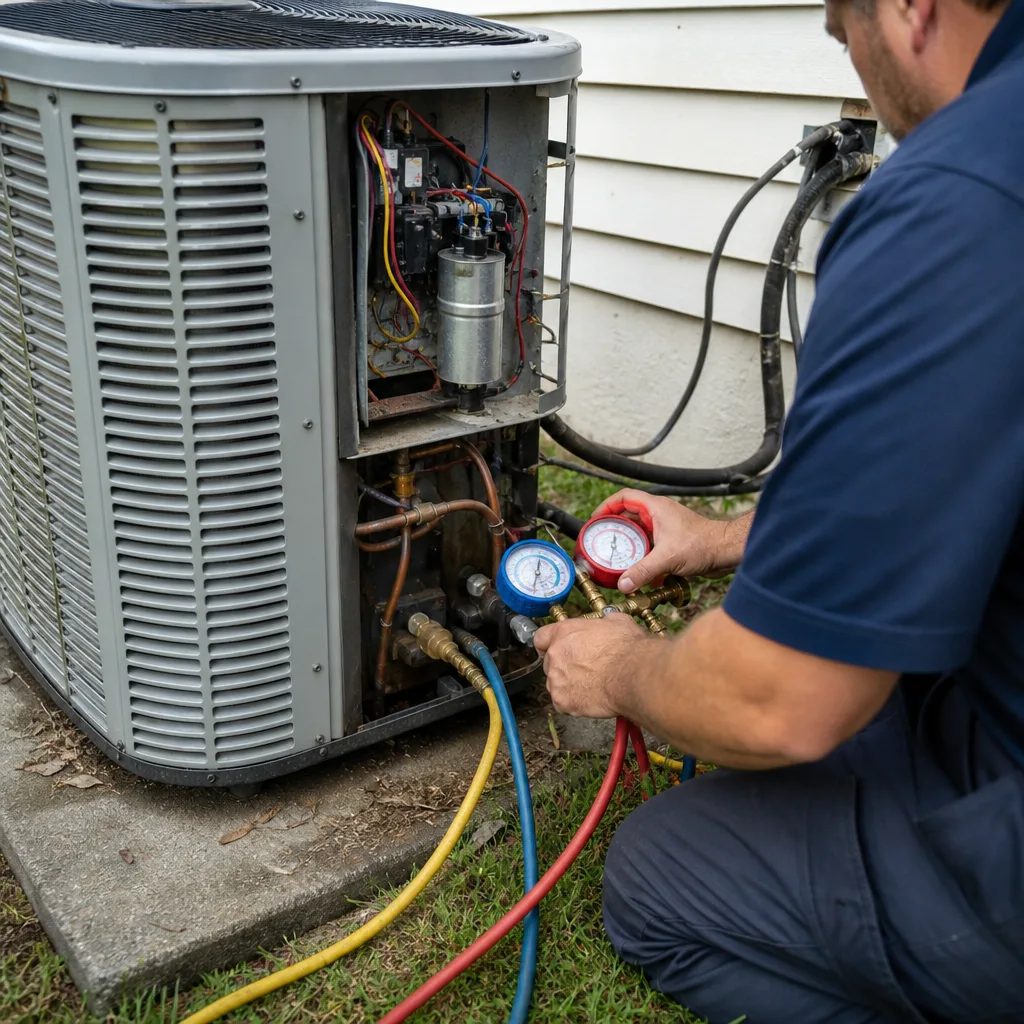
- Adjusting refrigerant charge on an existing system during a repair visit
- Diagnostic work that doesn’t involve opening the system or moving refrigerant lines
The gray areas matter. If a technician is swapping a compressor, that’s a repair. If they’re changing out the whole condenser unit, that’s a replacement and normally a permit. If a duct modification changes how air is distributed to a room, expect the building department to want to see it. These are general guidelines based on how the code is typically applied in Tallahassee, but the final word is always your local building department. A quick call to Leon County before the work starts settles it.
If you’re comparing replacement options, it helps to understand that a permit is part of the installation process, not a separate service. When we handle AC installation in the region, the permit paperwork and inspection scheduling are part of the job.
How to Look Up Permit History Before You Buy or Hire
You can find a property’s permit record before you commit to a purchase or a contractor, and it takes a few minutes. The Leon County building department maintains permit records that a homeowner can request directly, and many jurisdictions offer an online portal for searching by address.
- Get the address and parcel number. The county property appraiser’s site has both. You’ll often need the parcel number for the search.
- Search the county permit portal by address. Look for a section labeled permits or building services. Some portals let you filter by permit type, which helps when an address has decades of records.
- Read the status of each permit. You’re looking for “closed,” “finaled,” or “approved.” A permit that’s still open, expired, or noted as “final inspection not completed” is a flag.
- Match the permit to the work you’re seeing. If there’s an outdoor unit newer than the house with no HVAC permit on record, that’s worth asking about.
- Request the inspection history if the portal is thin. A call or records request to the building department can pull inspection notes you can’t see online.
This is one of the most useful steps in the entire process, and it’s often skipped. When you’re buying a home in a neighborhood like Betton Hills or Killearn, an HVAC replacement may have happened a decade ago and nobody remembers whether it was permitted. The record doesn’t care about memory. If a prior owner pulled the permit and closed it out properly, you’ll see it. If not, you’ll see that too, and you can ask about it before closing.
The same check works when you’re hiring. A contractor who pushes back on pulling a permit or brushes past the question is telling you something. We’ve seen plenty of homeowners in Tallahassee ask for the permit record first and save themselves a headache later.
The Two-Stage Inspection Process Explained
A permitted HVAC replacement in Leon County typically goes through two inspections. Here’s how each one fits into the timeline.
Stage 1: Rough-In Inspection
The rough-in inspection happens after the major components are installed but before the system is completely closed up or energized in its final state. The inspector checks the parts that will be inaccessible later: electrical connections, the equipment installation per the manufacturer’s specifications, and usually the ductwork if it’s involved in the permit. This is where problems get caught cheaply. A missing disconnect or an improperly sized circuit found at rough-in is a minor correction. The same issue discovered after everything is buttoned up is a re-inspection and a delay.
Stage 2: Final Inspection
The final inspection happens after the work is complete and the system is ready for operation. The inspector verifies that the corrections from rough-in were made, the equipment matches the permitted plan, and the installation meets the applicable code requirements. If the job passes, the permit is closed.
How long it takes: Timelines vary with the jurisdiction’s inspection workload and the contractor’s scheduling. In a straightforward replacement with no corrections, the whole sequence from permit application to final sign-off typically spans a few weeks, but don’t quote a firm number to yourself. The building department sets inspection availability, and the contractor schedules around it. Corrections at either stage add time. A missing or failed final inspection is the most common reason a permit stays open.
If you’re comparing contractors, ask how they handle inspection scheduling and whether the quoted price includes permit fees and re-inspection costs if corrections are needed. The answer separates the pros from the rest.
Florida Energy Code: SEER Minimums and Duct Leakage Testing
Florida doesn’t let a contractor install just any equipment. The Florida Energy Code, located in Chapter 13 of the Florida Building Code, sets minimum efficiency requirements for new equipment and testing requirements for duct systems. These are the rules that affect what actually goes into your home and what the inspector checks.
- Efficiency minimums. New equipment must meet the minimum SEER rating the code requires for a new installation. What that minimum is depends on the code edition in force, so your contractor should be able to state the current requirement for your system type.
- Duct leakage testing. When ductwork is modified or replaced, the code generally requires verification that the ducts don’t leak beyond the allowed threshold. The test is performed as part of the job and reported.
- System sizing. Replacement equipment should be sized to the home using a load calculation, not just matched to the old unit. The code doesn’t overlook the difference between a properly sized system and a bigger one, and neither should you.
Here’s where Tallahassee’s climate shows up in the code discussion. This is a hot, humid market, so efficiency requirements and duct integrity aren’t theoretical. A leaky duct system that would be a mild inconvenience somewhere cooler is a real comfort and moisture problem in a central Florida summer. The code requirements exist partly because of that. When the inspector verifies duct leakage and equipment efficiency, they’re verifying the two things that most affect how the system performs in this climate.
This is also where brand differences matter less than they seem from the label. A system that meets the code minimum from a name like Rheem or Daikin will satisfy the inspector, but the installation quality and sizing are what determine whether you’re comfortable. Our technicians have up to experience and work across nine major brands, including Carrier, Trane, Lennox, Goodman, Rheem, York, Daikin, Bryant, and American Standard. We work on the system you already have if it fits your home, and we’ll tell you plainly if a repair makes more sense than a replacement.
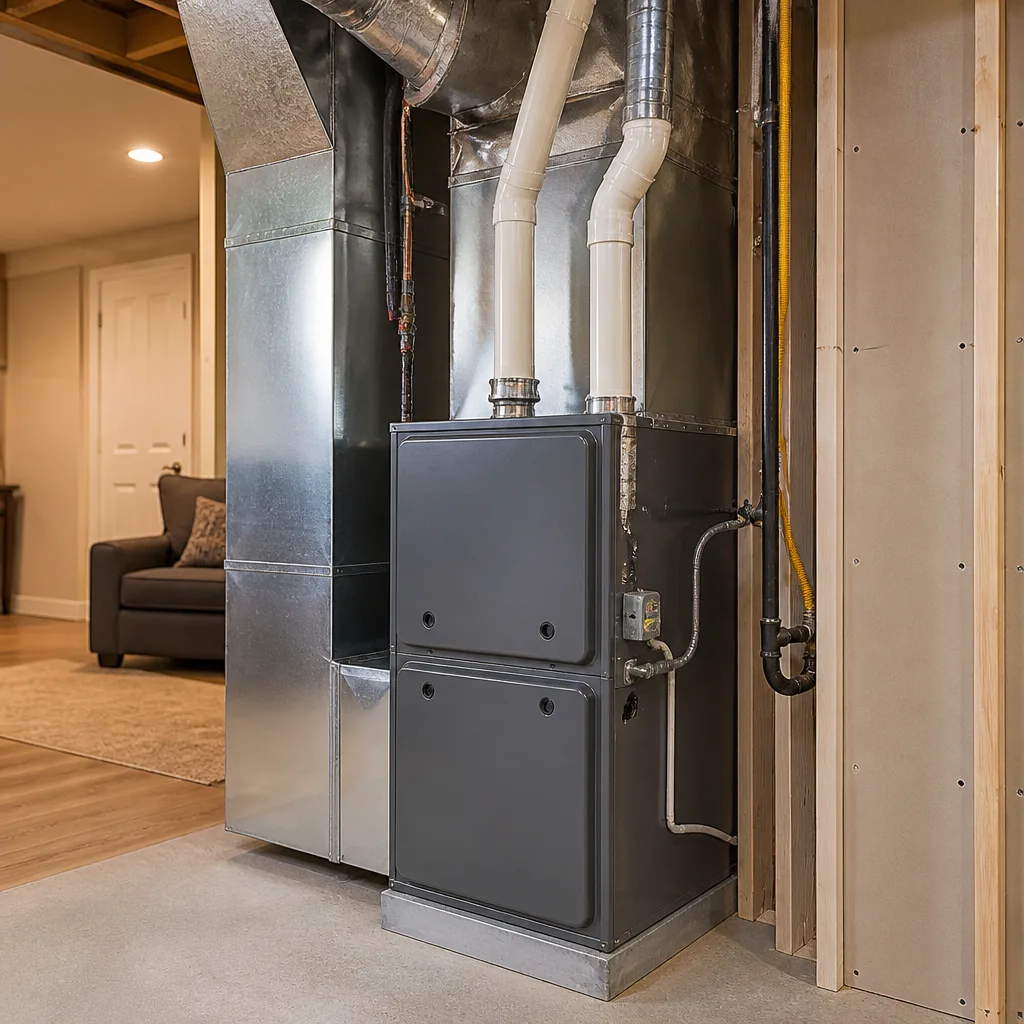
For scenarios where a furnace is part of the picture, the same code thinking applies. We also handle furnace repair and full furnace replacement, and the permit question for a furnace swap follows the same rules as an AC replacement.
What Happens When Unpermitted Work Turns Up
So you’re planning your own permitted renovation, and the contractor opens the wall to find that the previous owner’s HVAC installation was never permitted. What now?
The answer depends on what’s wrong with the work, and it’s rarely as bad as it feels in the moment. Here’s what typically happens.
- A plan reviewer or inspector notices. During your permit’s review or inspection, the inspector may flag existing work that’s visible and not on record.
- You’re asked to bring it into compliance. Depending on the local process, this can mean retroactive permitting, an inspection of what’s already installed, corrections, and sometimes a professional assessment of whether it’s safe to keep.
- You may face a forced removal. If the equipment is unsafe or can’t be verified, the remedy can include removal and replacement of the noncompliant work. That’s the worst outcome, and it’s the reason to check permit history before you buy.
- The scope of the problem gets documented. Your own permit file now has a record of what turned up, which is useful for your records and any future sale.
One detail that surprises homeowners: an issue discovered during your own renovation doesn’t necessarily become your legal responsibility for the neighbors’ benefit. It becomes a compliance requirement for your project. The company doing your installation will generally coordinate the corrections so the whole system can be signed off properly.
The bigger risk is the one that never gets discovered until you sell. This is where the liability the opening hook described plays out. Buyer’s agents and inspectors ask for permit records during due diligence, and when they find an HVAC replacement with no permit, the negotiation changes. Compliance costs get argued about, and the seller can wind up responsible. Catching it before you buy, or fixing it properly with a permit when you replace, removes that risk entirely. We’ve walked Tallahassee homeowners through the “it was installed years ago with no permit” conversation more than once, and the honest answer is always the same: fix it right, get it permitted, and get a record.
How to Vet a Tallahassee HVAC Contractor
Picking a contractor is a permit question as much as a quality question. A company that treats permits as routine is a company that treats the rest of the job as routine too. Here’s what to check before you sign.
- Ask about permits in the estimate conversation. A contractor who says “we’ll pull the permit” without being prompted is telling you the truth. A contractor who says “you don’t need one for that” without checking is telling you something else.
- Confirm licensing and insurance. Ask to see both. In Florida, HVAC contracting is licensed at the state level, and the company should be fully licensed and insured. A permit usually requires this documentation anyway.
- Ask how they use a load calculation. A proper replacement starts with sizing the equipment to your home. A contractor who skips it is guessing, and a bigger unit isn’t automatically better.
- Ask what brands they work on. Brand fluency means a technician isn’t learning your system on your time. We work on systems from Rheem, York, Bryant, and six other major manufacturers.
- Ask who handles the inspections. The contractor should schedule them and respond to corrections. You shouldn’t be the one chasing the building department.
- Get the final inspection in writing. A closed permit with a completed final inspection is the proof of a clean job. Ask for the record when the work is done.
None of this is exotic. It’s a few questions that separate a contractor who plans for inspections from one who plans for callbacks.
Why Permits Matter More in Tallahassee’s Climate
Permit rules are the same across Florida in many ways, but Tallahassee’s climate makes the quality they enforce more visible. This is a hot, humid place where an air conditioning system runs hard for much of the year. A system installed to code, sized correctly, and connected to sealed ducts performs noticeably better than one that was installed in a hurry with no oversight.
That matters because the code requirements don’t just protect the building. They protect comfort. A duct system that leaks into an attic or crawl space during a wet Tallahassee summer is a system that’s pulling in heat and moisture it should be keeping out. The duct leakage testing the code requires under a permit exists because duct integrity is central to how these systems work in this climate. Similarly, the SEER minimums keep your equipment in a performance range that won’t disappoint you the first time the temperature spikes.
There’s a practical neighborhood angle too. Homes throughout the area built in different eras have very different duct systems, and duct modification is one of the permit triggers. If a homeowner in a neighborhood like Southwood is reworking a duct system to improve airflow to an addition, that’s permit work, not a weekend fix. The same holds for older systems elsewhere in the area, where an upgrade to a modern, energy-code-compliant system is often the better long-term call. When the work is permitted and inspected, you get a record and a system that’s built for the climate it’s actually in. That’s the standard for HVAC in Tallahassee, and it’s the standard we hold work to.
Closing Out a Permit and What to Keep
The final inspection signing off is the end of the active permit process, but it isn’t the end of your responsibility. The paperwork themselves become part of the property’s story.
- Get the permit number and final inspection date. They’ll appear on the permit record, and you should know where the record lives. A copy in your own files saves a records request later.
- Keep the equipment documentation. Manufacturer information, the date of installation, and the recorded efficiency ratings belong with your home’s paperwork. A future buyer’s inspector will look for them.
- Confirm the permit is closed, not just approved. “Approved” and “finaled” are different statuses. Check that the record shows a completed final inspection.
- Hold on to the contractor’s estimate and invoice. The invoice that includes the permit fee and the completed job is useful evidence if a question ever comes up.
- Note the inspection result. If there were corrections at rough-in or final, the record will show them, and the record will also show they were resolved.
If the company you hired handled everything properly, going through this folder does nothing but confirm it. If something was left open, finding it now is far easier than discovering it in a title search years later. We keep the permit record with the job file precisely so it can be handed over. When you’re working with a company that pulls a permit and closes it out, that’s the standard you should expect.
Common Mistakes to Avoid
- Skipping the permit to save money. The permit fee is a small fraction of what a replacement costs, and the exposure from an unpermitted system is much larger. The math never works in your favor.
- Believing “we’re replacing it exactly like the old one.” A like-for-like component repair may not need a permit, but a full equipment replacement usually does, even if the new unit is identical in size. The permit requirement follows the scope of work, not whether anything changed.
- Not checking permit history before buying a home. This is the single cheapest step in avoiding an expensive surprise. A records search on the address before closing can reveal a replacement that was never recorded.
- Assuming the contractor handled the inspections because the system works. A working system doesn’t mean a closed permit. Ask for the final inspection record, and check that the permit status is closed.
- Ignoring the load calculation. A replacement sized to the old unit without a proper sizing calculation can meet the code on paper and still underperform where it counts, especially in a hot Tallahassee summer.
- Letting a contractor be vague about who schedules the inspections. The permit is a responsibility that should sit on the contractor’s side of the table. If it’s unclear, get it in writing in the estimate.
- Losing the paperwork. The permit number, final inspection date, and equipment documentation are property records. Keep them in the folder that travels with the house.
See the difference
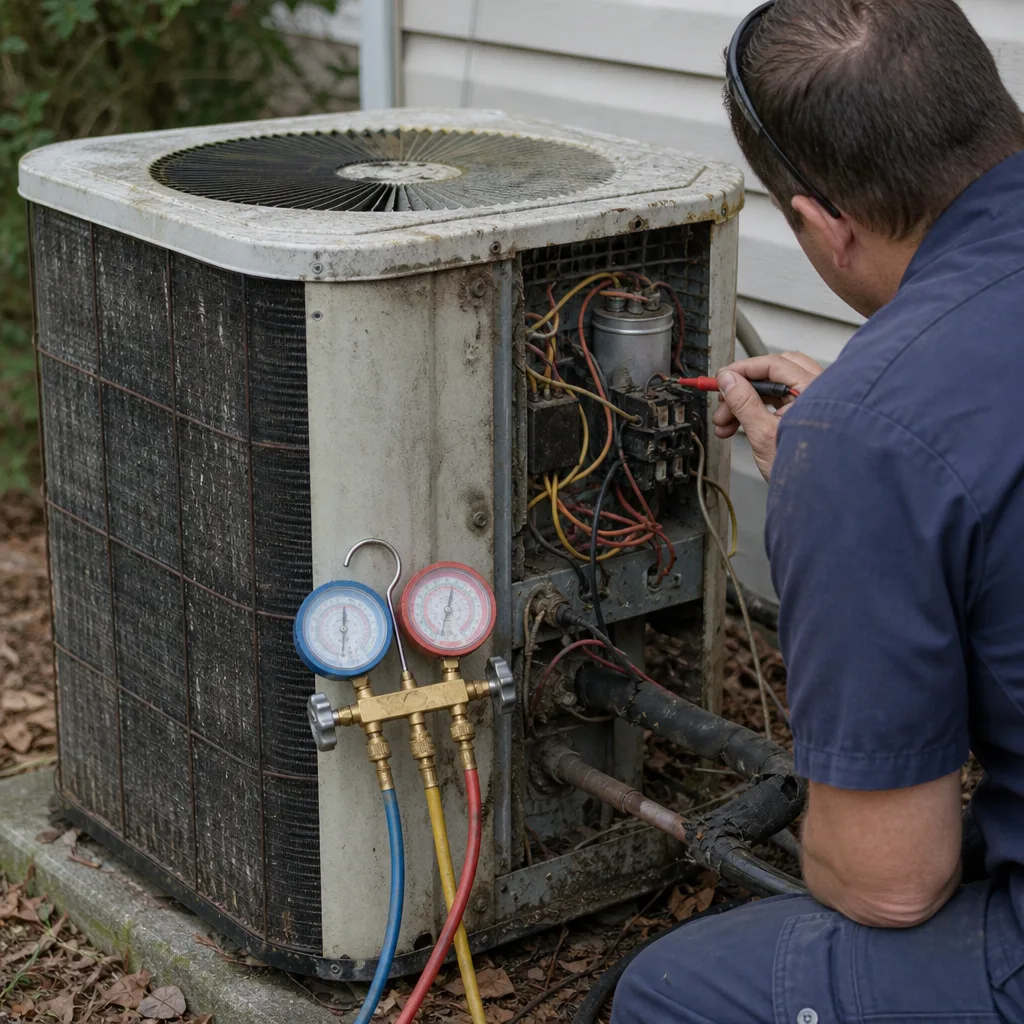 Before
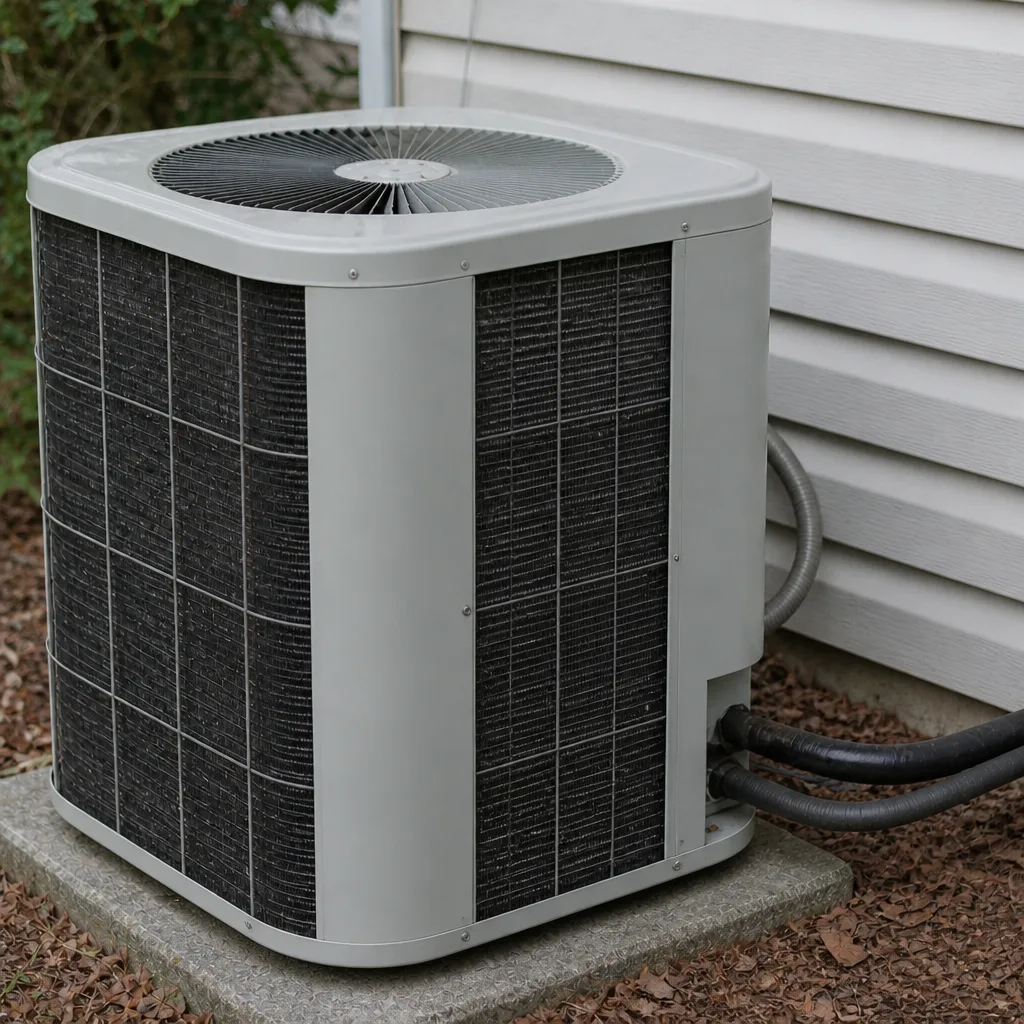 After
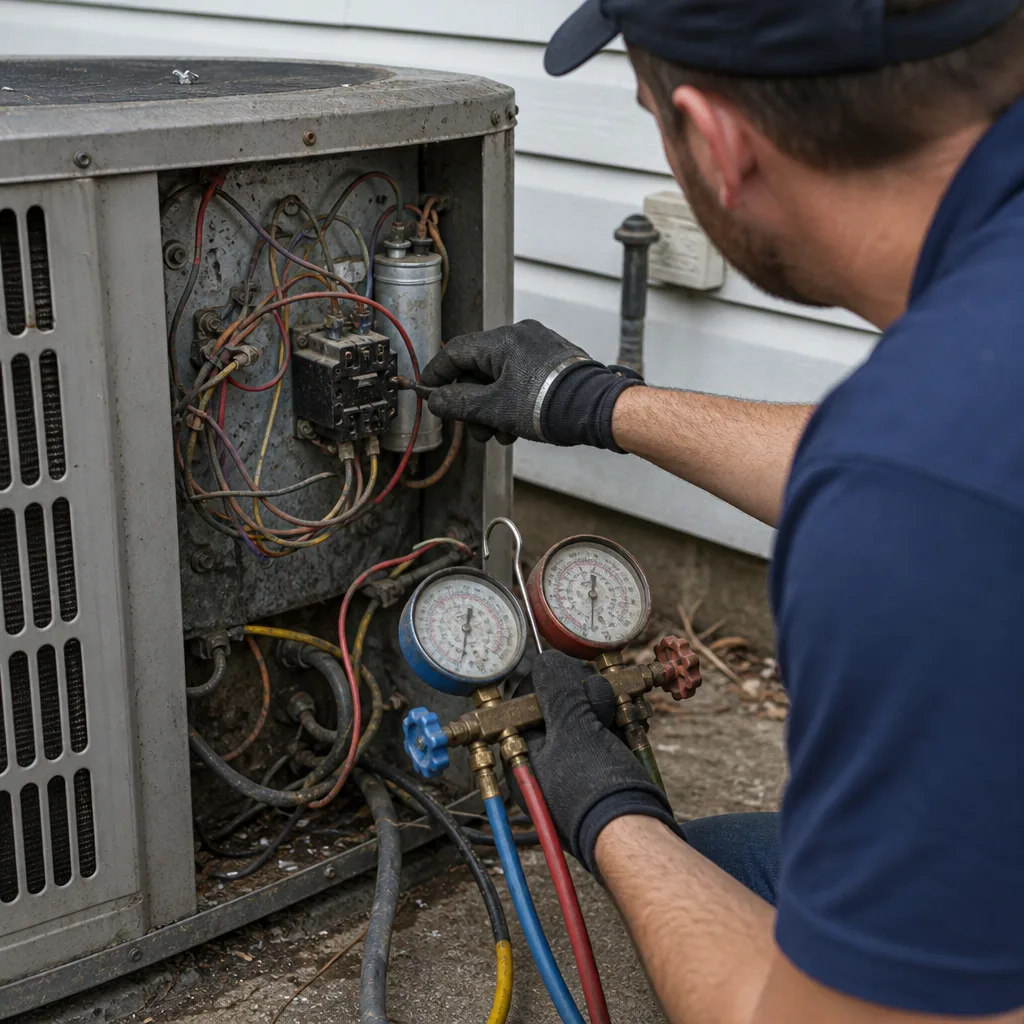 Before
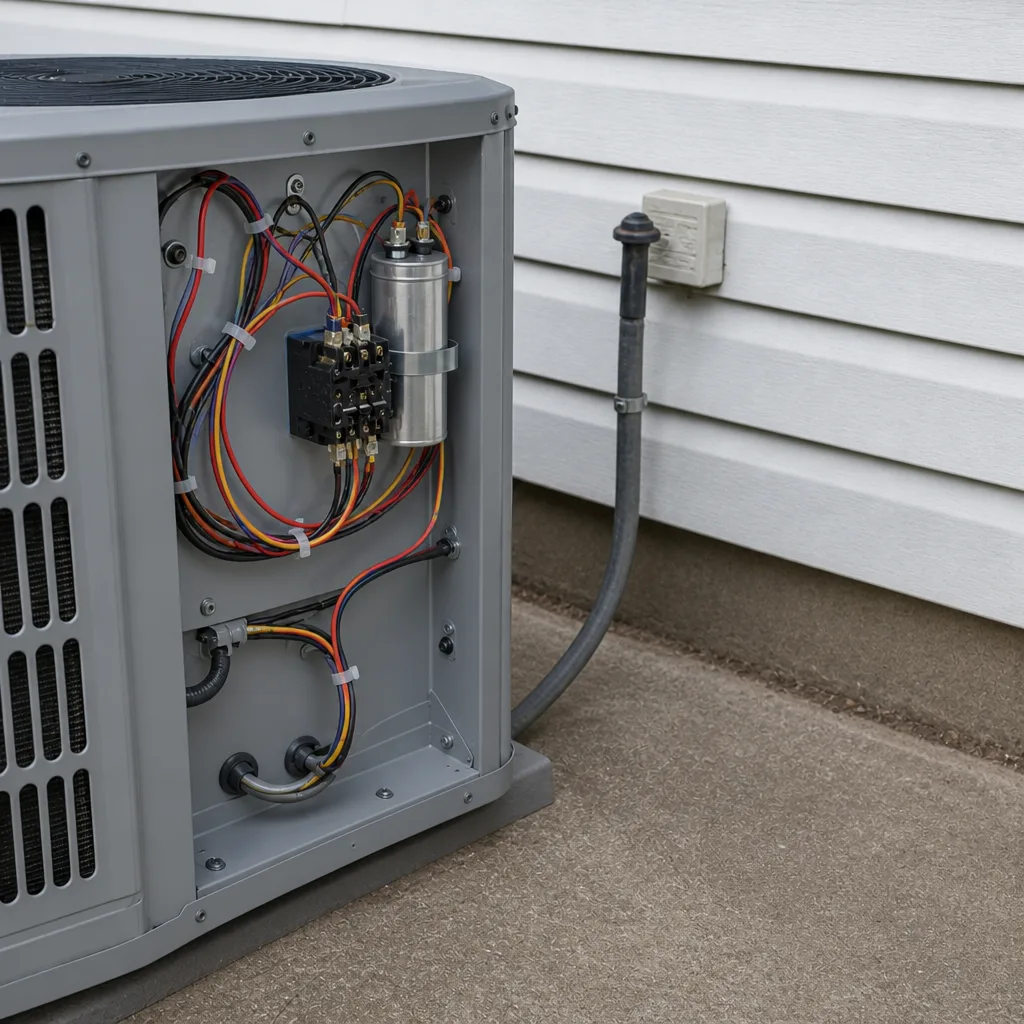 After
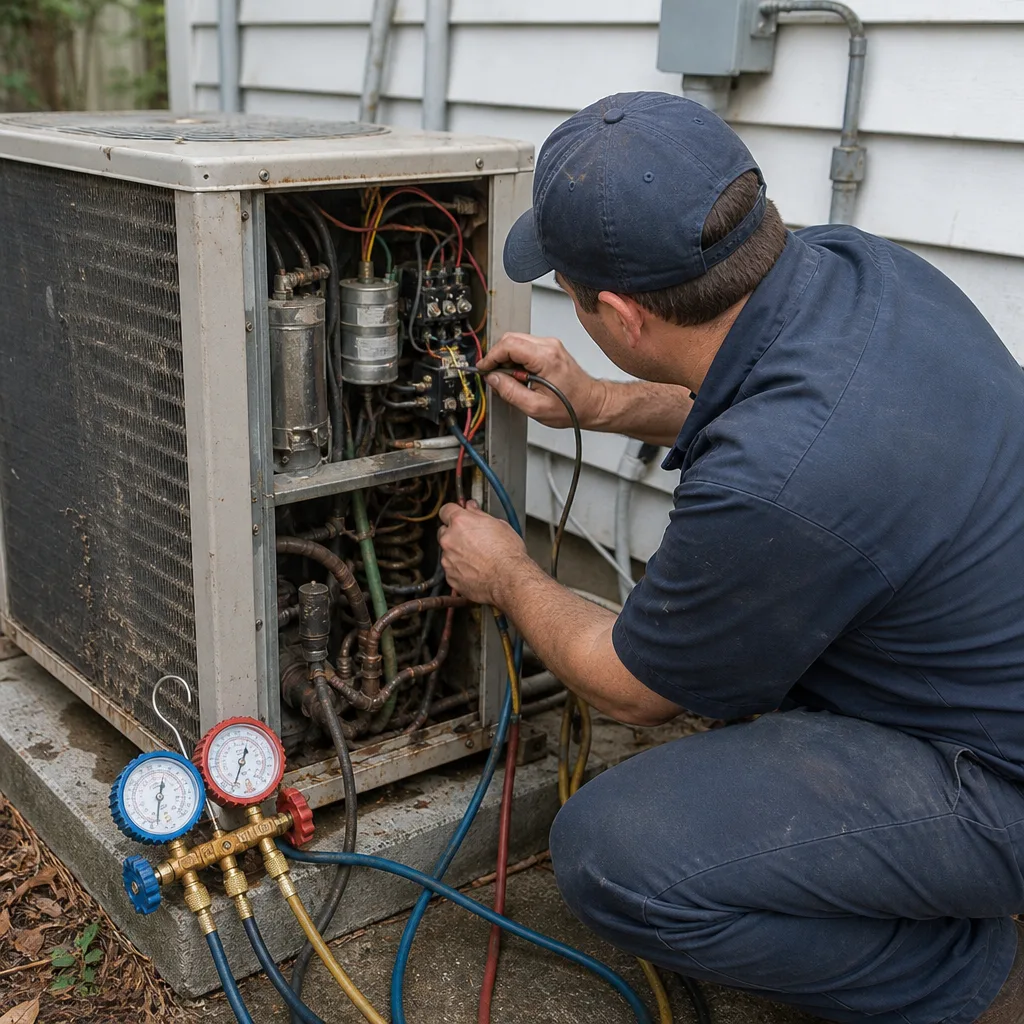 Before
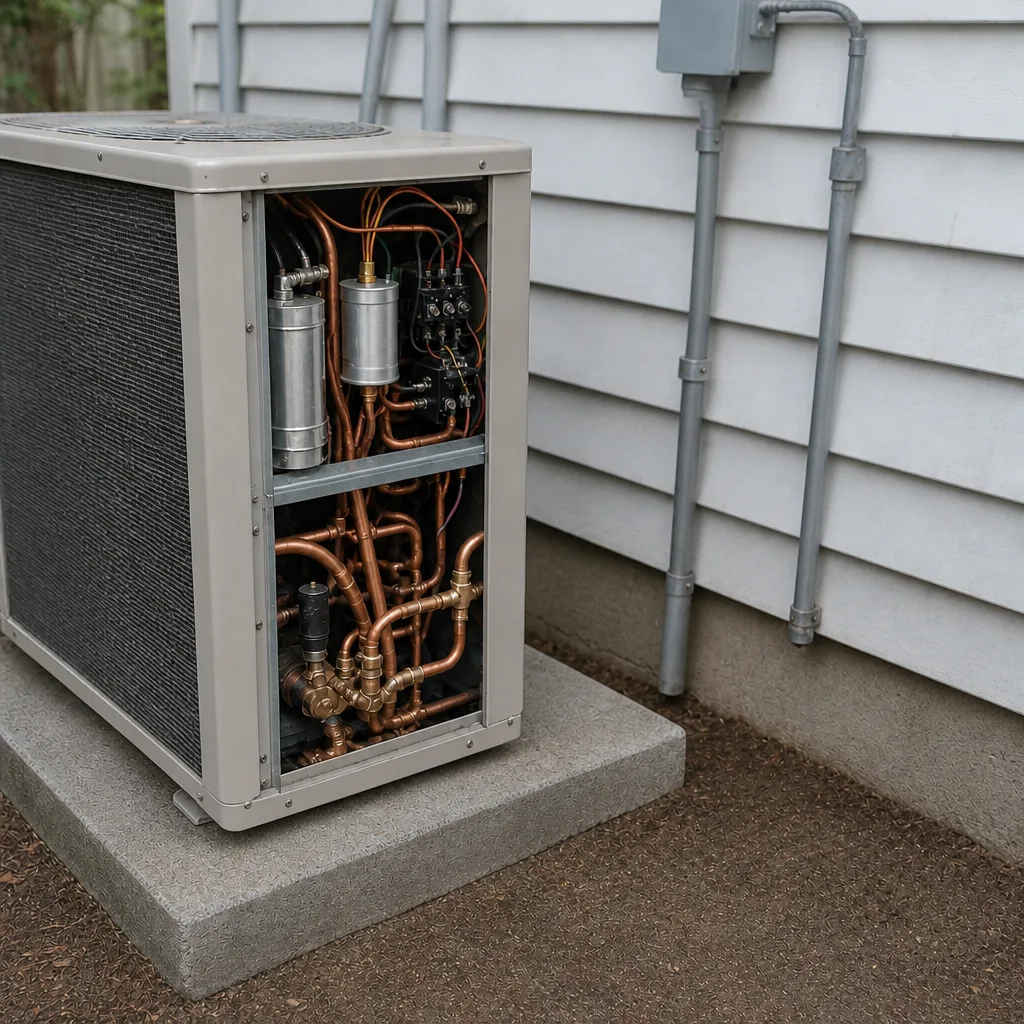 After
When to Call a Professional
Some of this you can check yourself. Permit history online, the estimate conversation, the questions about load calculations. But anything that involves opening the system, moving lines, modifying ducts, or making a call on whether a repair or replacement is the right move should go to a licensed technician. If you’re unsure whether a job needs a permit, the question itself is a reason to call. We’ll tell you plainly what the work requires and what it doesn’t. Ridgeway AC Repair offers free estimates in Tallahassee. Call (844) 834-0157 and we’ll walk you through the permit picture for your project. We work on the system you already have across nine brands, so whether it’s a Rheem, a Trane, or something else in the house, one call covers both seasons. Fast dispatch from 7am to 7pm, Sunday through Friday.
Frequently Asked Questions
In most cases, yes. A full system replacement in Tallahassee and Leon County generally requires a permit and inspections through the local building department. Like-for-like component repairs usually don’t. Call (844) 834-0157 for a free estimate and we’ll confirm what your specific project needs.
Permit and inspection timelines vary with the building department’s workload and the contractor’s scheduling. In a straightforward replacement without corrections, the process from permit application to final sign-off typically spans a few weeks. Corrections at either inspection stage add time. Call (844) 834-0157 with your project details and we’ll talk through what to expect.
The work may need to be brought into compliance, which can range from retroactive permitting and inspection to corrections or, in the worst case, removal and replacement. It’s a real issue during a sale, because the cost can fall to the seller. Call (844) 834-0157 for a free estimate and we’ll help you figure out the right path forward.
The final inspection verifies the work is complete, corrections from the rough-in stage were made, the equipment matches the permitted plan, and the installation meets the applicable code. Passing it closes the permit. If you’re not sure whether your permit was signed off, call (844) 834-0157 and we’ll help you sort it out.
Yes. Florida Energy Code requirements in Chapter 13 of the Florida Building Code set minimum efficiency for new equipment and testing requirements for ducts, including duct leakage testing when ductwork is modified. Your contractor should state the current requirement for your system type. Call (844) 834-0157 for a free estimate and we’ll explain how the code applies to your replacement.
Usually yes. Leon County maintains permit records, and many jurisdictions offer online search by address or parcel number. You can also request records from the building department directly. It’s worth doing before a sale or before you hire. Call (844) 834-0157 if you want help interpreting what you find.
The Bottom Line
An HVAC permit in Tallahassee is more than paperwork. It’s the record that proves the work was installed to Florida Energy Code standards and inspected along the way. Replacement and new installations generally require a permit, like-for-like repairs usually don’t, and the work typically goes through a rough-in and final inspection. Checking permit history before you buy or hire takes minutes and can save you from a costly discovery later. The real risk of skipping the permit isn’t the fine; it’s the unpermitted system that surfaces years down the line during a sale. Get the permit, get the inspection, and keep the record. If you’re planning a replacement or repair in Tallahassee, we’re happy to help you think through the permit side before anything starts. One call, both seasons.
When you’re ready to move on a project, reach out to Ridgeway AC Repair for a free estimate. We handle AC installation and furnace repair across the Tallahassee area. Call (844) 834-0157. We answer 24/7. Fast dispatch from 7am to 7pm, Sunday through Friday. Systems from Carrier, Trane, Lennox, Goodman, Rheem, York, Daikin, Bryant, and American Standard all share the same standard here, and so do the paperwork and inspections that come with them. Our technicians have up to experience, and we’ll give you an honest read on whether a fix or a replacement makes more sense.
Written by the team at Ridgeway AC Repair.